10 Basic Rules for Foraging Herbs
It is late spring in Central Europe, and the herbs have grown beyond their tiny baby stage. The plants are more mature now, offering fuller leaves and stronger flavors, which makes identification easier and harvesting more rewarding. This is the perfect time to go out and gather fresh greens, as nature is abundant and ready to support us.
Time for first foraging to get those raw vitamins. Plus, when you go foraging in nature, you also get Vitamin D ;), the sun vitamin, so essential for your immune system and to stay strong. The longer daylight and warmer weather encourage not only plants but also our own vitality.
Challenges of Foraging Young Herbs
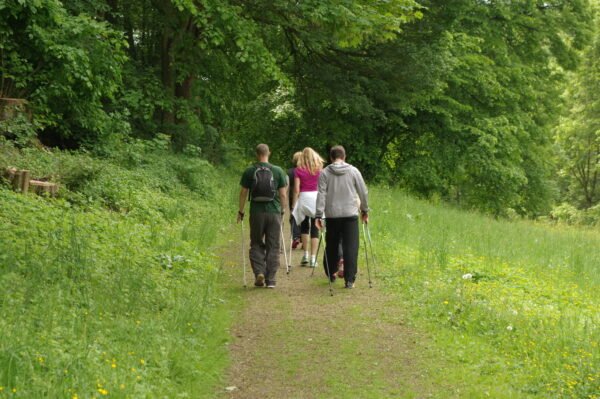
What makes foraging the first herbs of the year a bit harder is the sheer size – very young plants are harder to distinguish, even for me, and also, of course, they don’t yield as much as a more mature plant. But now, in late spring, the herbs have grown enough to be more visible and easier to identify, making this season more forgiving for beginner foragers.
Small young herbs and edible plants or wild salads are super mild, and super fresh, and just really amazing. Let’s get going.
1: How to Safely Identify Young Herbs
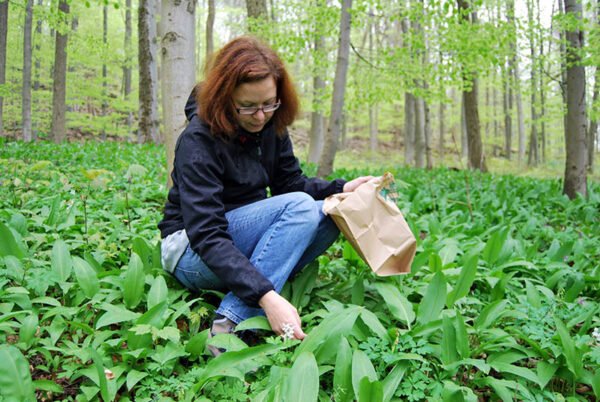
Be sure what you are gathering there. ;D Of course, yes, but with very young herbs, you can only go by the leaves which are often not as developed. So, stay on the safe side and in doubt, leave them untouched. To be sure about which herb you have in front of you: touch the leaves, take one small leaf and rub it between your fingers and smell … maybe taste a tiny little bit. If it’s a herb you know, and had experience with, that should do it. Otherwise, don’t use it.
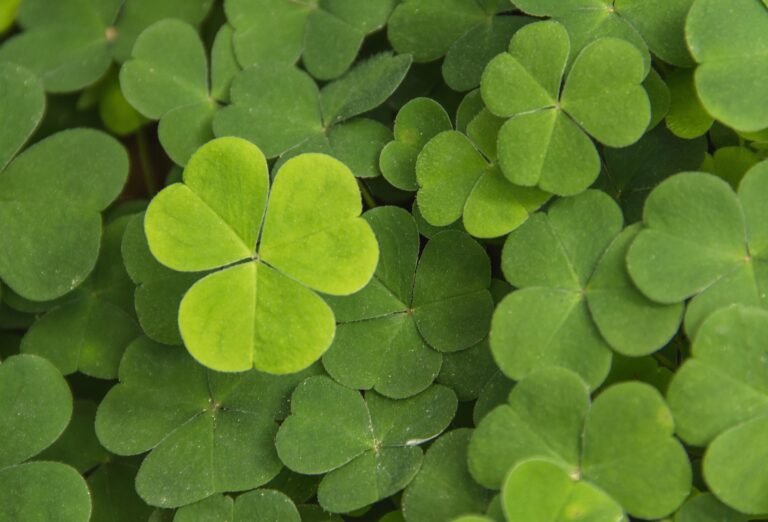
There are some herbs though that are easier than others, for example: if you have a plant looking like dandelion, or one that looks like clover – it doesn’t matter that much if you are right about it. Both will often lack flowers at the beginning of the year (though clover is flowering right now in Portugal), so you have to go by the leaves. Most plants looking like dandelion though are all edible. Like lamb’s ears for example, which are a bit wooly to the touch, and a bit more sturdy, or thicker, and not as pleasant to eat as dandelion. But totally edible nonetheless. Same goes for clover – all varieties are edible. Be careful though with herbs looking like wild carrots, for example, they are hard to distinguish when small, and some looking a bit like wild carrots are actually poisonous. Use your senses – taste, touch, sight, smell…
2: Sustainable Harvesting: How to Care for Plants
When foraging herbs, leaves, etc. – never plug a plant roughly out of the soil, just take what you need, carefully, and let the plant live. Meaning, if you need to, use a small knife, to cut it right above the ground, or to gather leaves. Same goes for all plant parts, of course. Don’t be unnecessarily rough, and remember that plants actually can feel pain, too. Taking care helps ensure the plants will continue to grow and thrive for the next foragers and wildlife alike.
3. Respect Nature: Foraging Ethically and Responsibly
Never forage too much from the same plant, nor from the same spot. We want to gather herbs in a very careful and economical way, and we don’t want to harm plants nor take all food from other beings around (animals I mean). We want the plant to be easily able to regrow what we have taken. Some people like also to thank a higher power, Goddess, mother nature,… Be mindful and respectful of nature. This respect helps preserve the delicate ecosystems we rely on for our food and health.
4: Inspect Your Harvest Carefully
I know some people who have a different style, and gather herbs in large batches, not looking at every single one of them. Well, I am different. For one, see above – don’t take roughly too much from the same spot. Secondly – you want to look at the plant parts you are gathering, and inspect each single one of them for debris, dirt, bird droppings,… and more importantly for parasites, bugs, snails, if they are half eaten, etc. Only collect clean plant parts. This extra care makes your harvest more enjoyable and safer to consume.
5: Choose Safe Foraging Locations
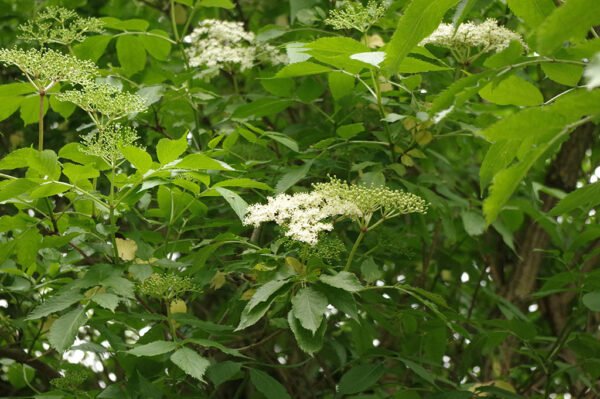
Only forage herbs and wild salad in safe places, meaning clean places. What I mean by that is: never ever from a lawn where dogs or cats poo all the time. Don’t gather herbs from polluted soil, from places with any type of trash, but more importantly far away from oil, incl. old tyres, and so on. Also far away from pollution. Don’t forage close to traffic and busy roads, next to a factory, nor next to a commercial field, garden or park, where pesticides are being used, and especially not from such an area, of course. For example, nettles grow easily in spoiled soil, but they also suck up that way polluted things.
Or another example from when I was a small child, and fumes from cars were much worse than today, and mostly leaden diesel or gasoline: I once gathered with my mother (God knows what she was thinking) wild strawberries at a busy road, right next to where the cars were driving. After eating those strawberries I had small bumps all over my arms. My mother identified it correctly as a result of eating polluted berries. I don’t remember even washing them. A bit late though. Yes, I realize that this makes foraging a lot harder, depending on where you live. But just try to find the best spot possible for you, and that is also a great opportunity to go for an enjoyable walk into nature. Sometimes the best spots are hidden gems, a little further off the beaten path.
6: How to Handle and Store Herbs Properly
Collect only dry herbs, unless consumed directly. If you want to use dried herbs for tea and such, NEVER use moist herbs, or you risk mold. Dry herbs store better and last longer, preserving their flavors and medicinal properties.
7: When and How to Wash Freshly Foraged Herbs
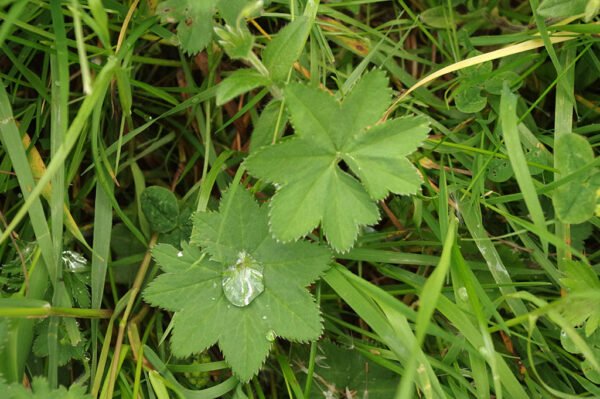
Even though you often want to wash herbs anyways after gathering. The thing is … there are different opinions on that. When you gather herbs for teas on a nice summer’s day from an unspoilt meadow, and you hang them upside down somewhere to dry, – then most herbalists wouldn’t wash those herbs. You would risk mold and mildew, and you would use boiling water on them later on anyways. On the other hand, you want clean herbs.
Salads will be washed always. If you think you are at risk of having collected tapeworm or such like on your plants, you either need to boil them later, or clean really thoroughly. Washing them carefully under water is a first step. Soaking will not do in this case, and you will also lose vitamins. What you can do is put them in water with vinegar. Taking these precautions ensures your foraged food is both delicious and safe.
8: Best Containers for Foraged Herbs
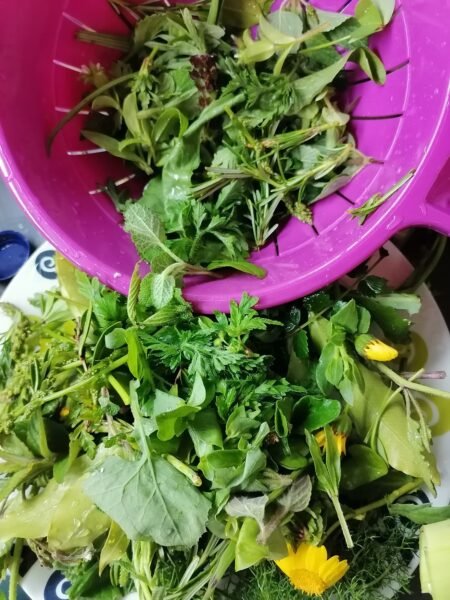
When collecting herbs, etc., use a bag that a) can soak up some moisture, and b) that allows for some air flow. Naturally, your bag or basket should be clean, too. In other words, don’t use plastic bags. Organic cotton or a basket from natural material are options. This helps your herbs stay fresh and prevents damage during collection.
9: Use Fresh Herbs Directly
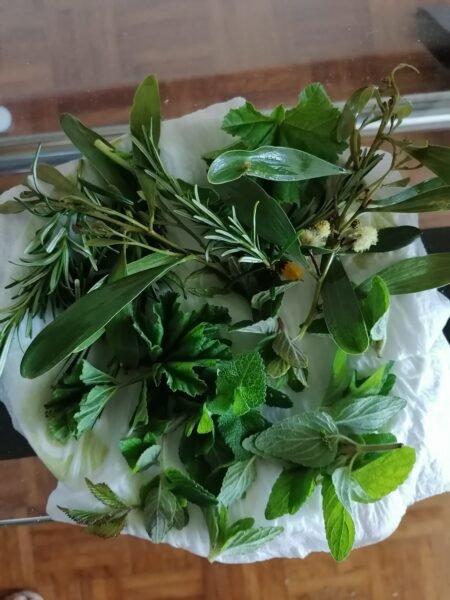
Use herbs as soon as you can after foraging. For tea herbs, hang them somewhere for drying. Salads, etc., wash them right away. For storing afterwards, put them on kitchen towels, and then in a sealed bag or glass in the fridge.
Some herbs can be put into a glass of water for some time. Whatever you do, don’t let herbs sit bundled up all together in one place, or you might get mold. Herbs that you can’t hang upside down, you dry flat, like on a towel or kitchen towel, and always leave some space between each plant, to allow for air flow. For vinegars, infused oils, etc., use herbs directly. Also for pesto, etc., the oil will help to preserve them. Freshness is key to enjoying the full benefit and flavor of your foraged herbs.
10: Forage with Gratitude and Awareness
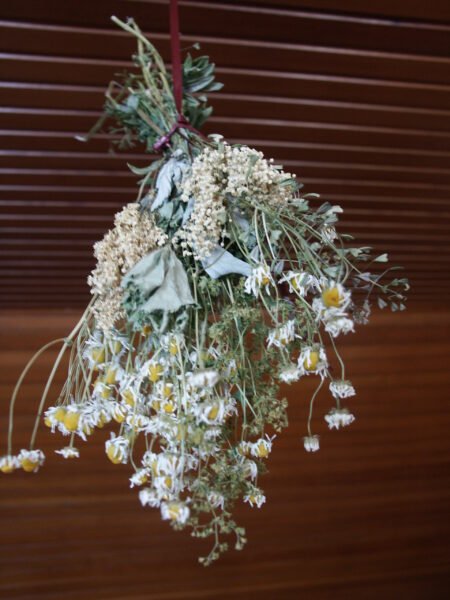
Always forage with gratitude and awareness. Take a moment to appreciate the plants you gather, the earth that nourishes them, and the cycle of life they are part of. Foraging is not only about collecting food but also about connecting deeply with nature and yourself. By honoring this relationship, you help maintain a balance that supports all living beings and ensures that the gifts of the wild continue to flourish for future generations.