The Rose as a Healing Plant
Rosa centifolia
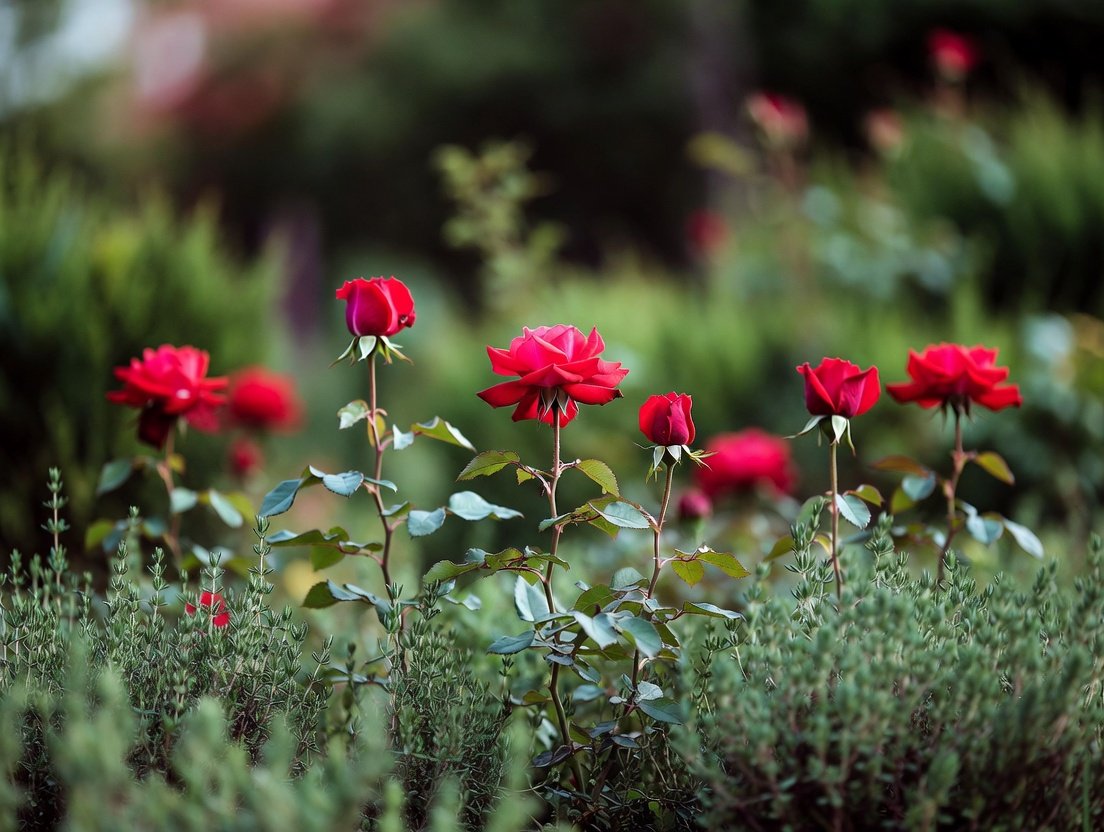
Everyone knows roses as the flower of love, a centerpiece of gardens, and a prize-winning ornamental plant. And of course, everyone recognizes their scent. But roses are far more than a romantic symbol or visual delight: throughout history, they have been revered as mystical symbols and valued as medicinal plants.
Two main rose species have traditionally been used for healing: the wild dog rose (Rosa canina, source of rosehips) and the hundred-petaled rose (Rosa centifolia). This article focuses on the healing powers of Rosa centifolia.
Rose Origins and Herbal History
Rosa centifolia, the hundred-petaled rose, is native to the Caucasus, Iran, and Turkey.
Ancient cultures, from Egypt to Greece, honored roses as universal remedies. Egyptians used rose oil in healing balms and embalming rituals. In Greek texts, rose oil is described as a component of medicinal preparations. Notable figures such as Hippocrates, Hildegard von Bingen, and Paracelsus praised the therapeutic value of rose oil, which was added to various elixirs and tonics.
Rose Traditions in Asia and the Middle East
In Asia, rose usage also has ancient roots. Chinese and Sanskrit writings mention the scent of rose blossoms and the method of extracting rose oil by blending petals with fats. In Homer’s Iliad, Aphrodite anoints Hector’s body with rose oil. Herodotus wrote of King Midas’ legendary gardens, filled with sixty-petaled roses of unmatched fragrance.

Roses in Medieval European Healing
In the Middle Ages, roses – especially the apothecary rose (Rosa gallica officinalis) – were cultivated in monastery gardens for medicinal, not decorative, purposes. Charlemagne and Hildegard von Bingen listed them as valuable medicinal plants. Oriental garden roses entered Europe via the Arabs, Ottomans, and Crusaders.
Symbolism of Roses in Western Culture
Roses became deeply symbolic in medieval culture. In France, the 13th-century Roman de la Rose marked the shift from functional gardens to romantic symbolism. The rose came to embody love and emotional depth. Returning Crusaders brought varieties like Rosa damascena, which were cultivated in places like Provins in France.
Albertus Magnus documented several rose types in the 13th century, including Rosa canina, Rosa centifolia, Rosa arvensis, and Rosa rubiginosa. By the 17th century, five key rose varieties were widespread: the white rose (Rosa alba), red rose (Rosa gallica), damask rose (Rosa damascena), moss rose (Rosa muscosa), and hundred-petaled rose (Rosa centifolia).
Rose Symbolism in Ancient and Religious Contexts
The cultural fascination with roses spans continents and millennia – from ancient Persia’s mystical gardens to Cleopatra’s rose-covered palace floors. In Greek and Roman tradition, roses were sacred to goddesses of love and often symbolized passion, fertility, secrecy, and mortality.
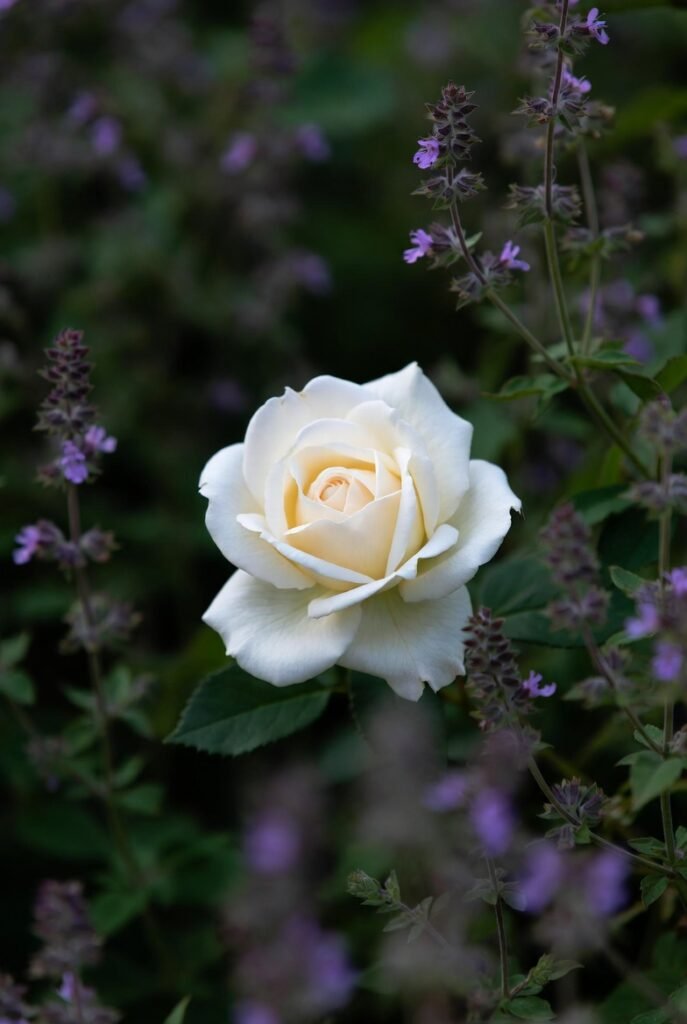
The white rose became a symbol of silence (sub rosa), with roses hanging over banquet tables and confessionals. In Roman times, they were used in lavish quantities: Nero allegedly showered guests with petals, while Emperor Heliogabalus smothered his under them. Yet roses also adorned graves and represented life’s transience.
The mythic symbolism of the rose spans from the Venus cults to Christian Marian devotion. The Virgin Mary was called the “Mystic Rose” – a transformation of the ancient rose goddess into a symbol of purity, grace, and divine love. Gothic cathedrals reflected this symbolism in their rose windows, blending sacred geometry with esoteric meanings.
Medicinal Properties of the Rose
Essential oil (Rosae aetheroleum):
Rose essential oil contains up to 400 compounds, with scent-defining components such as citronellol, rose oxides, and geraniol. It’s used in:
- Aqua rosae (rose water)
- Mel rosatum (rose honey)
In traditional medicine, it is employed for:
- Gallbladder and stomach cramps
- Bronchial asthma
- Emotional balance and mental relaxation (aromatherapy)
Because of its harmonizing and uplifting fragrance, rose oil is highly valued in both cosmetic preparations and spiritual rituals, with applications ranging from skincare to energetic balancing.
Its production is labor-intensive: it can take up to 5,000 kilograms of rose petals to produce just 1 kilogram of pure essential oil, making it one of the most precious essential oils in the world.
Benefits of Rose Petals for Health
Rose petals (Rosae flos):
- Contain tannins, essential oils (especially geraniol), and flavonoids
- Have astringent and wound-healing properties
- Traditionally used for mild oral and throat inflammations, mouth ulcers, and gum conditions
- Historically used internally for bleeding, leucorrhea, diarrhea, and lung conditions
- Decorative and aromatic in tea blends
- Culinary uses: rose petal jam, rose vinegar
Herbal Actions and Healing Properties
- Anti-inflammatory
- Wound-healing
- Antifungal
- Blood-cleansing
- Hemostatic (helps stop bleeding)
- Antiallergic
Rose Energetics and Symbolism in Healing
According to herbalist Margret Madejski:
“The popularity and fragrance of the rose align her with Venus, goddess of love and beauty. Her thorns, however, belong to Mars, god of war. Thus, the rose unites feminine and masculine principles in perfect harmony, symbolizing the unio mystica – the mystical union with the divine.”
The rose is also associated with fertility, purity, and rebirth. Its five-petaled form echoes ancient symbols of life, health, and protection.
Conclusion: The Timeless Power of the Rose
From temple rituals to aromatherapy oils, from medieval cloisters to modern herbal teas – the rose remains one of the most powerful and beloved healing plants in the world.
Disclaimer: This content is for educational purposes only and does not replace medical advice. Always consult a qualified healthcare provider before using herbs therapeutically.