The First of May: Herb Traditions, Beltane, and Woodruff’s Role in May Punch
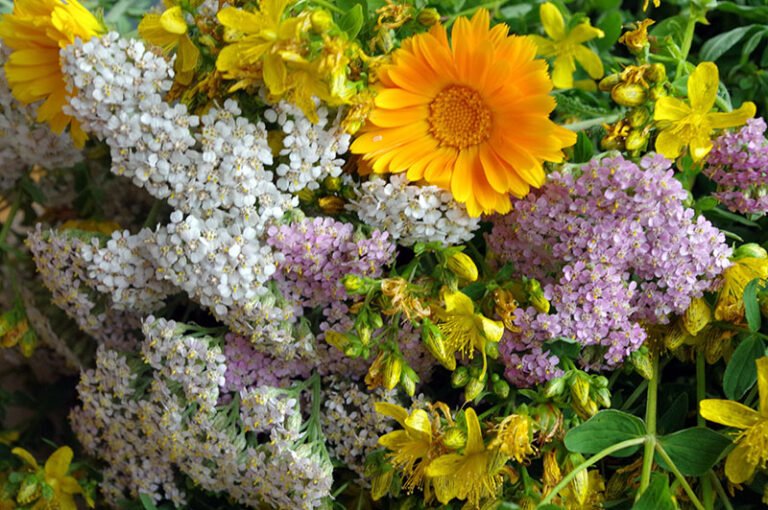
As spring unfurls with vibrant blossoms and warmer breezes, the first of May holds deep cultural and historical significance for many traditions around the world. Known for celebrations such as Beltane, a Celtic festival marking the midpoint between the spring equinox and summer solstice, May Day has long been associated with fertility, abundance, and nature’s renewal.
Herbs play a central role in these traditions, symbolizing protection, vitality, and celebration. Among these herbs, sweet woodruff stands out as a beloved ingredient for the quintessential May Day beverage: Maibowle or May Punch.
What is Beltane?
Beltane (meaning “bright fire”) is a Celtic fire festival that celebrates the turning of the season and the fertility of the earth. It’s a time for honoring growth, partnership, and the sacred union between nature and the divine. At Beltane, people traditionally lit massive bonfires, danced, and decorated with colorful ribbons and greenery to invoke abundance and protection.
Herbs were integral to Beltane rituals:
Protection: Rowan branches were often hung above doorways for protection against negative energies.
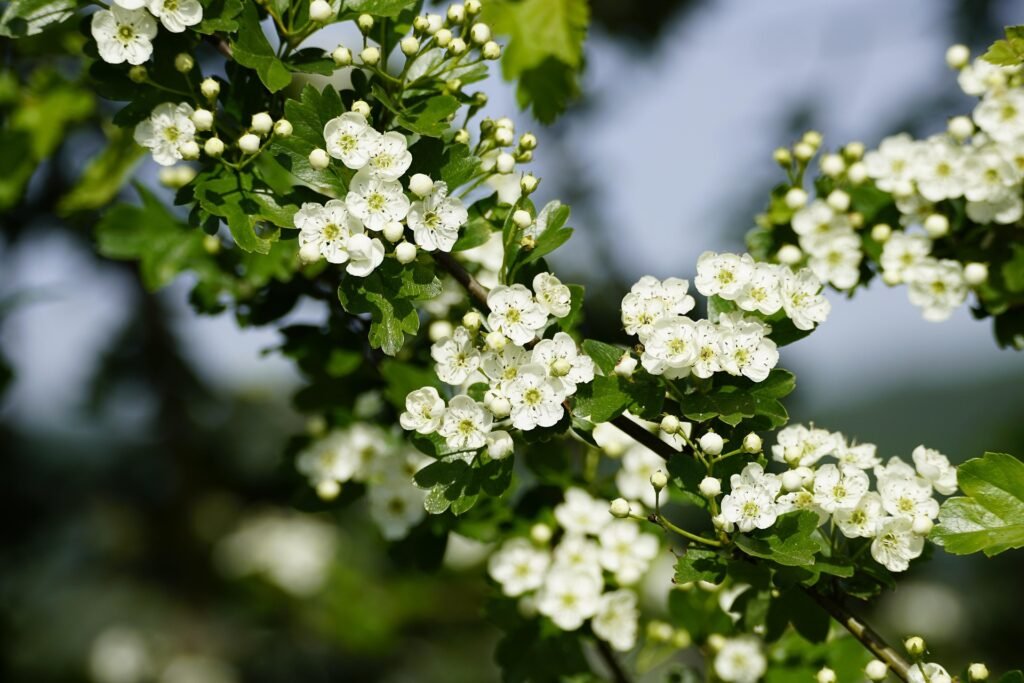
Abundance: Hawthorn blossoms symbolized fertility and were used to decorate altars.
Blessings: Medicinal herbs like marjoram, thyme, and meadowsweet were burned or scattered to bless homes and fields.
The connection between herbs and Beltane reflects ancient respect for their use in healing, spiritual rituals, and seasonal celebrations.
Herbs at the Heart of May Day
Herbs are symbols of growth and vitality, perfectly aligned with the themes of May Day and Beltane. Many of the traditions tied to this day incorporate herbs into food, drink, and rituals to foster joy and connection with the earth.
Some herbs found in Beltane and May Day celebrations include:
- Mint: Refreshing and revitalizing, mint can be used for drinks or scattered in rituals for good health.
- Chamomile: Represents relaxation and calmness, perfect for ceremonies that invite stability as seasons shift.
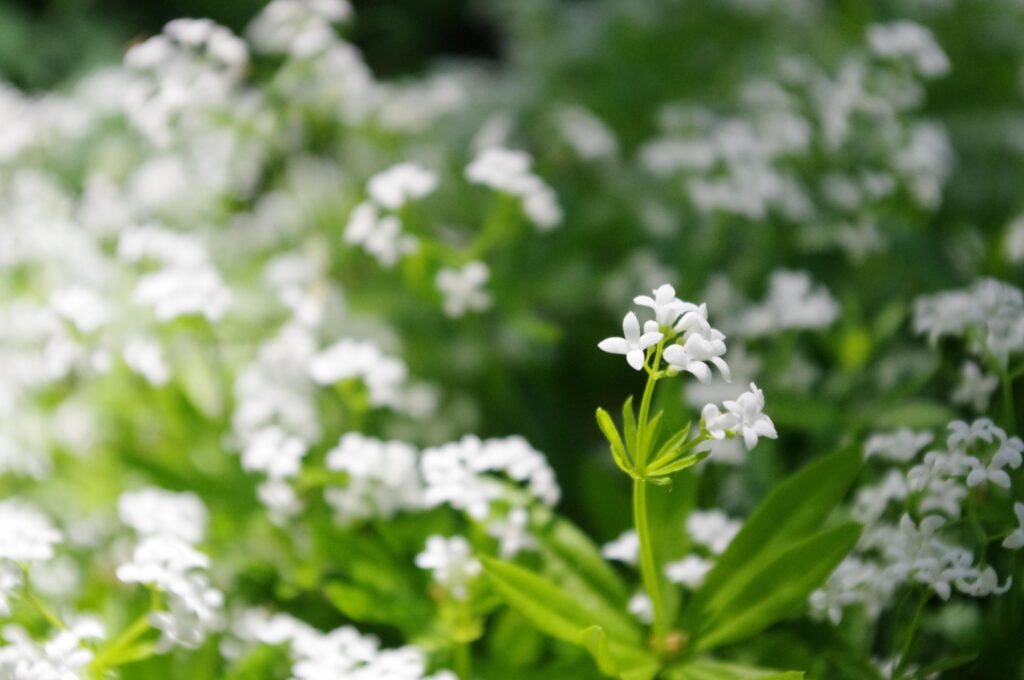
- Woodruff: Sweet and aromatic, woodruff symbolizes celebration and is famously used in Maibowle
Woodruff and Maibowle: The Quintessential May Day Refreshment
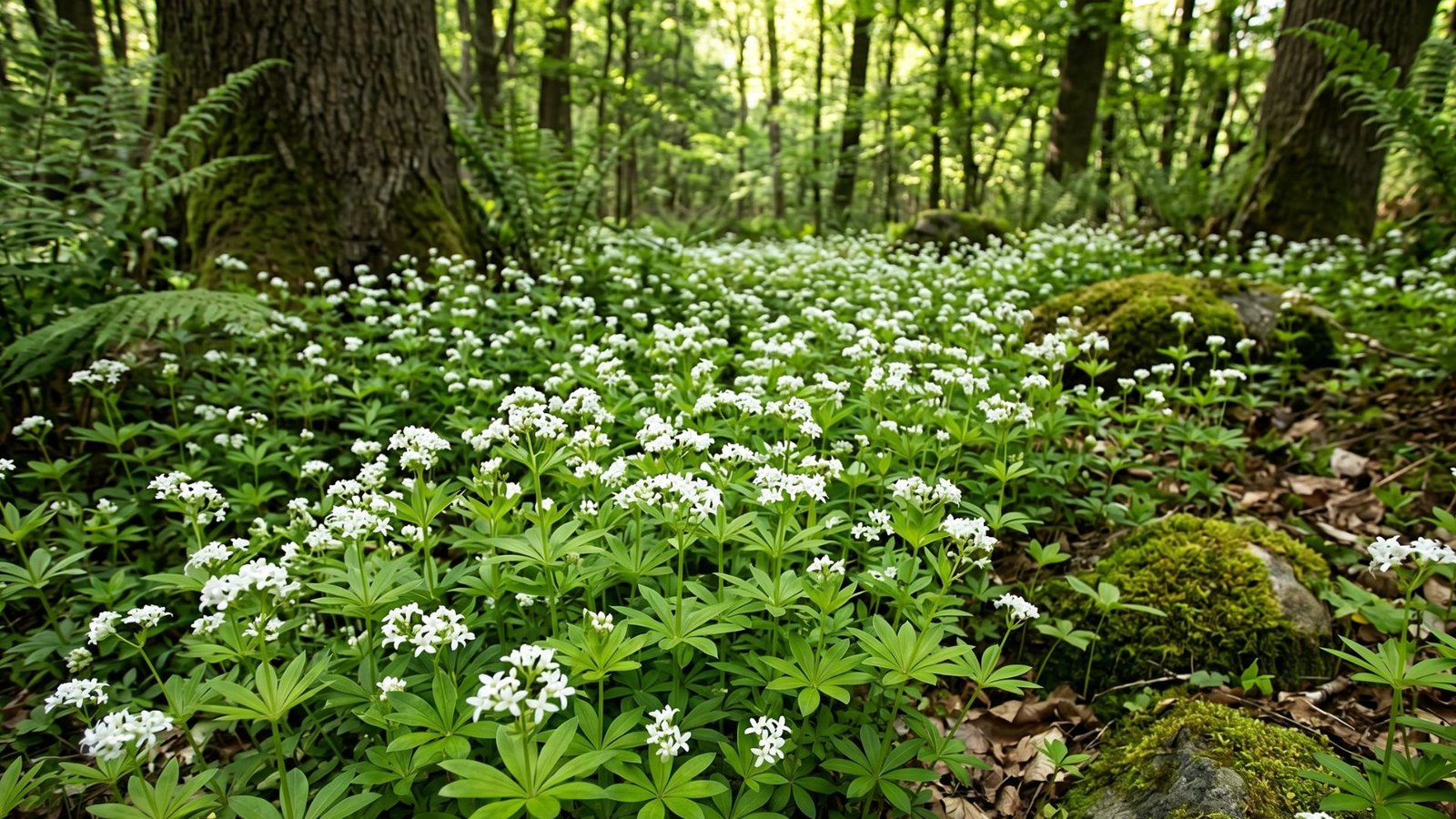
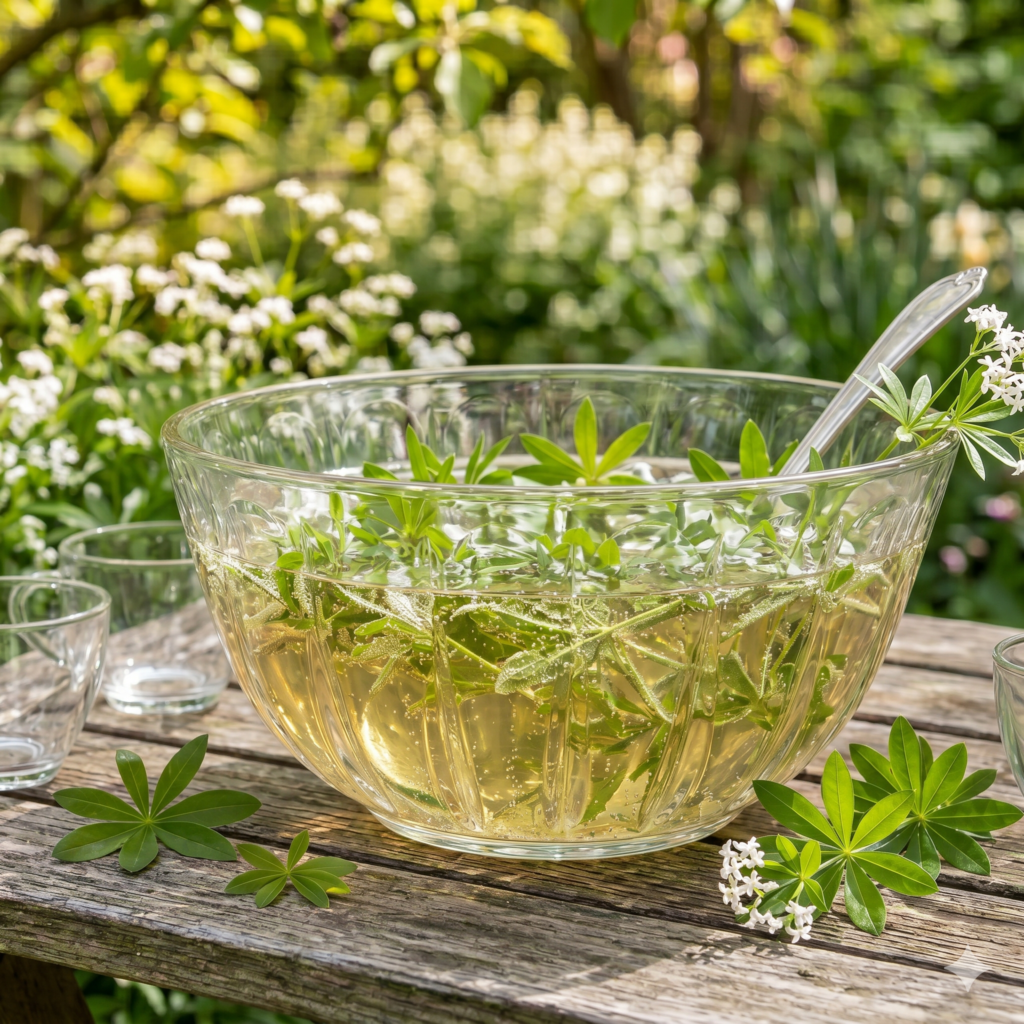
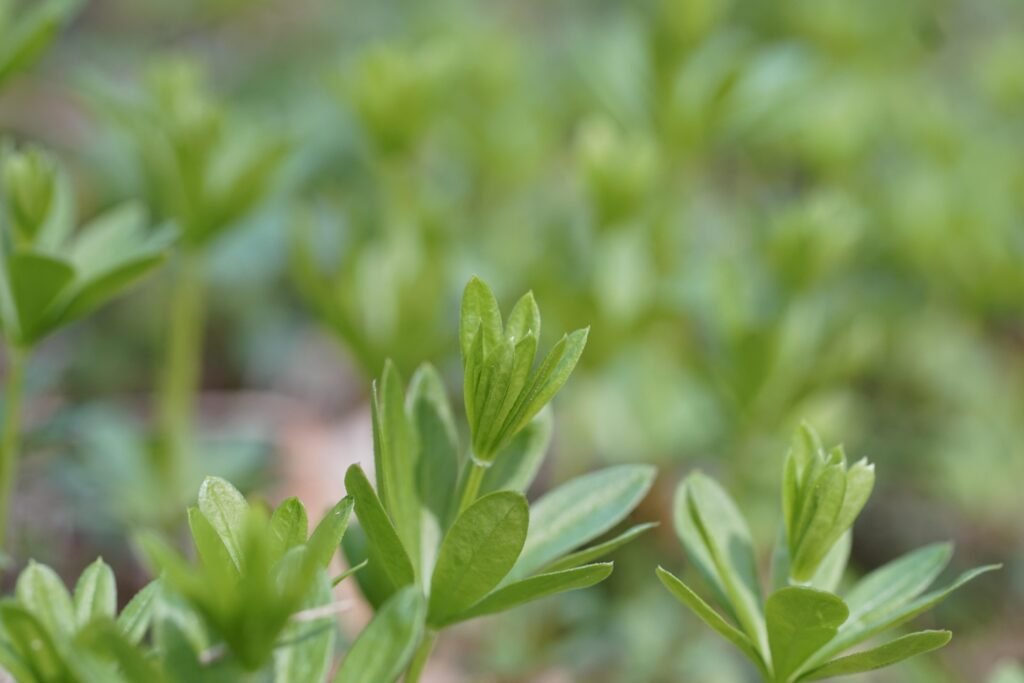
Sweet woodruff (Galium odoratum) is a delicate herb with tiny star-like white flowers and lance-shaped green leaves. Found in shady forest floors across Europe, it has a sweet, grassy aroma resembling vanilla and freshly mown hay when dried. Traditionally, sweet woodruff is associated with celebration and is a central ingredient for Maibowle, a classic German May Day punch.
What is Sweet Woodruff Punch – May Wine or Maibowle?
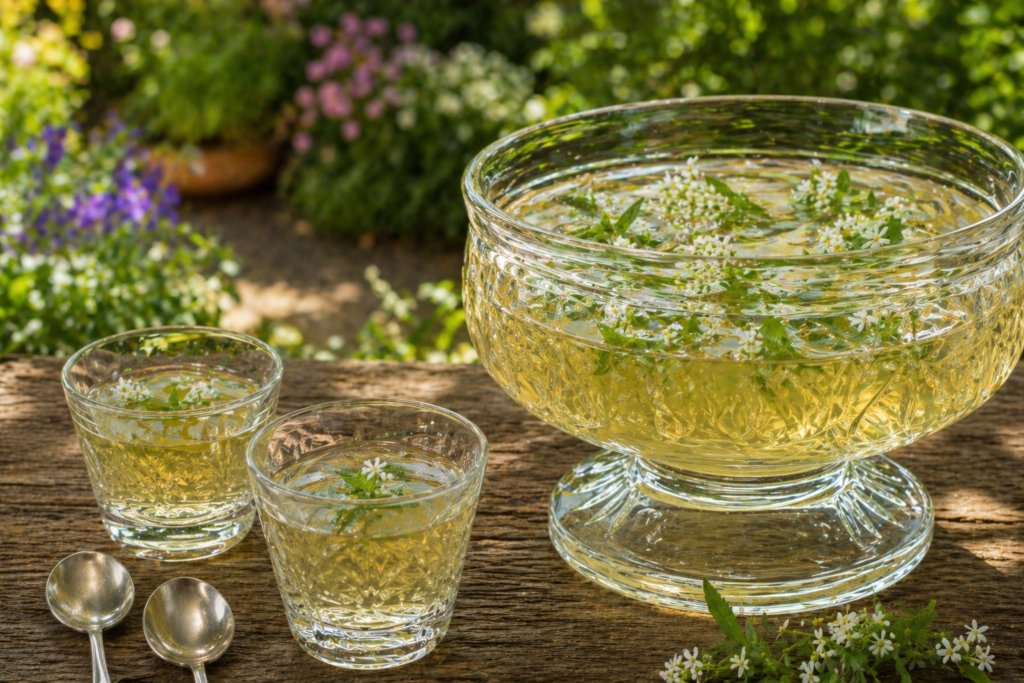
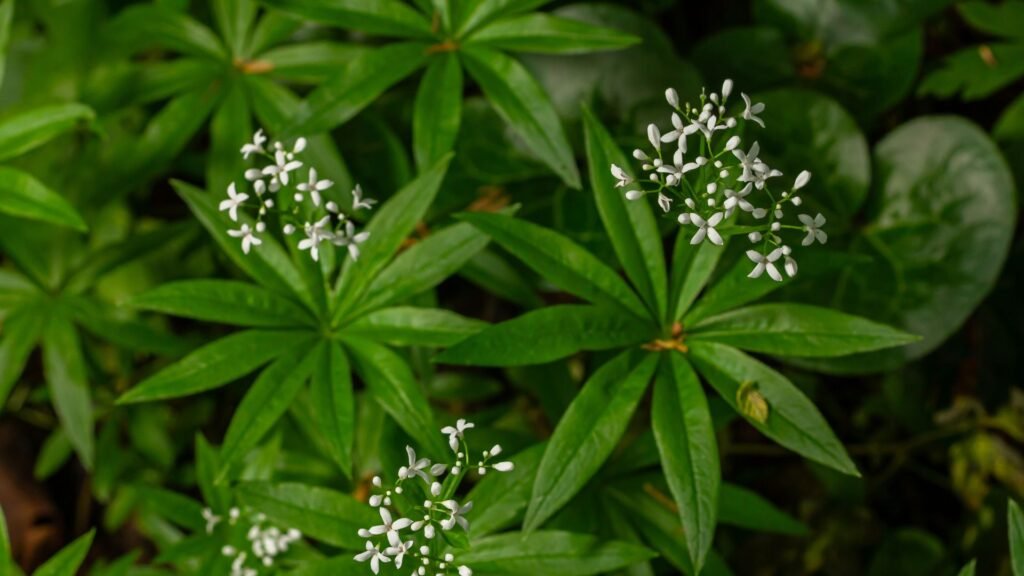
Maibowle (May punch) is a refreshing and fragrant drink made with white wine and sparkling wine, infused with sweet woodruff, and often garnished with fresh herbs and fruit. It’s celebrated as part of German springtime festivities, signifying rebirth, joy, and abundance.
How to Make May Punch with Sweet Woodruff:
Here’s a basic recipe for creating May Wine:
Ingredients:
1 bunch of sweet woodruff (15-20 sprigs, ideally wilted slightly for 2-3 hours to enhance aroma)
1 bottle of dry white wine (such as Riesling or Silvaner)
50-100 grams of sugar (adjust to taste)
1 bottle of sparkling wine or prosecco (added later, when serving)
Instructions:
Preparation of Sweet Woodruff:
Tie the sweet woodruff sprigs together in a bunch and allow them to wilt slightly (2-3 hours). This process intensifies its aroma and flavor.
Steeping:
Pour the white wine into a large bowl or pitcher.
Add sugar and stir until dissolved.
Submerge the sweet woodruff bunch into the wine, ensuring it’s fully immersed (but don’t let the stems touch the liquid, as they can turn the taste bitter).
Let the woodruff steep for about 30 minutes. Taste occasionally—you want its light, hay-like aroma without bitterness.
Serving:
Remove the sweet woodruff sprigs after steeping.
Add the sparkling wine (chilled) just before serving for effervescence.
Garnish with lemon slices and fresh strawberries, if desired. Serve immediately over ice for a refreshing celebration drink.
Sweet woodruff has traditionally been associated with celebrations and has mild calming effects—but as enjoyable as Maibowle is, consume it moderately, since excessive amounts of woodruff can have side effects, as explained below.
Sweet Woodruff Tea Recipe
Sweet woodruff can also be enjoyed as a herbaceous tea with subtle vanilla-like notes. This preparation emphasizes its delicate flavor and medicinal properties.
Ingredients:
1-2 teaspoons of dried sweet woodruff leaves
250 ml (1 cup) of boiling water
Preparation:
Measure 1-2 teaspoons of dried sweet woodruff and place it in a tea strainer or directly into a cup.
Brewing:
Pour boiling water over the leaves and let steep for 5-8 minutes.
Remove the strainer or strain out the leaves, then sip leisurely.
Optional Additions:
Sweeten for a floral note
Sweet woodruff tea is traditionally said to be mildly calming and can help with headaches or restlessness, but be cautious: excessive consumption of woodruff can cause dizziness or “dream-like” effects due to its content of coumarin.
The “Flying” Effects of Sweet Woodruff
Sweet woodruff contains coumarin, a compound with mildly psychoactive properties. In small amounts, coumarin provides a pleasant aroma and flavor, but excessive intake can lead to symptoms such as:
- Lightheadedness
- Mild dizziness or a “floating” sensation
- Hallucinogenic or “dreamy” effects when consumed in extremely high quantities.
Historically, the coumarin in sweet woodruff was thought to have “magical” or “flying” effects, which made it valued both in folklore and ritual practices. While these effects aren’t harmful in moderation, it’s important to limit herbal preparations and beverages containing woodruff to safe amounts.
Sweet Woodruff: Traditional Uses
Sweet woodruff (Galium odoratum) is a fragrant woodland herb prized for its unique flavor and historical place in herbal traditions. Long associated with relaxation, it is often featured in traditional infusions where its sweet, vanilla-like aroma is sought after for its calming presence. However, because it contains coumarin, it is traditionally used in moderation and with care.
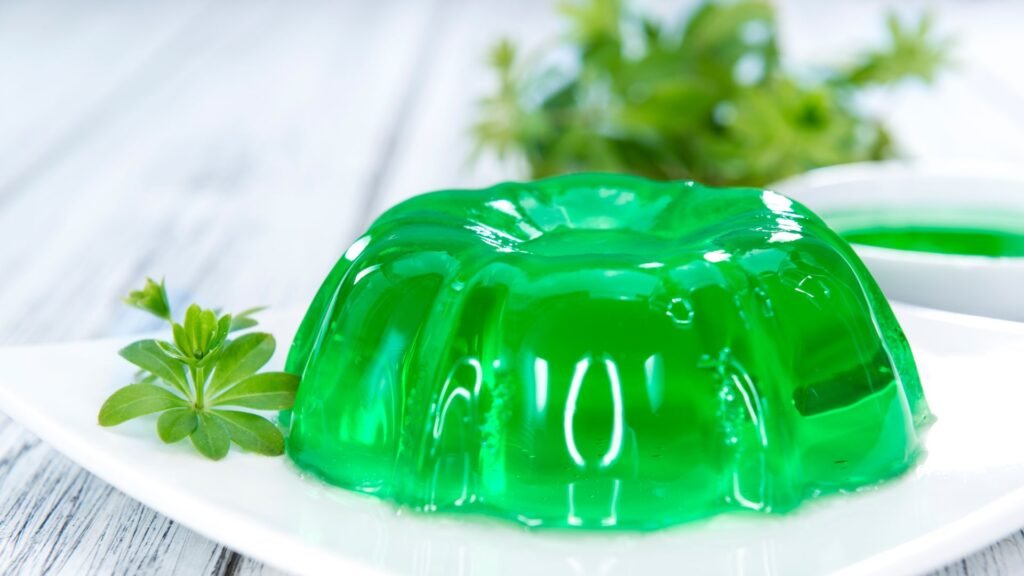
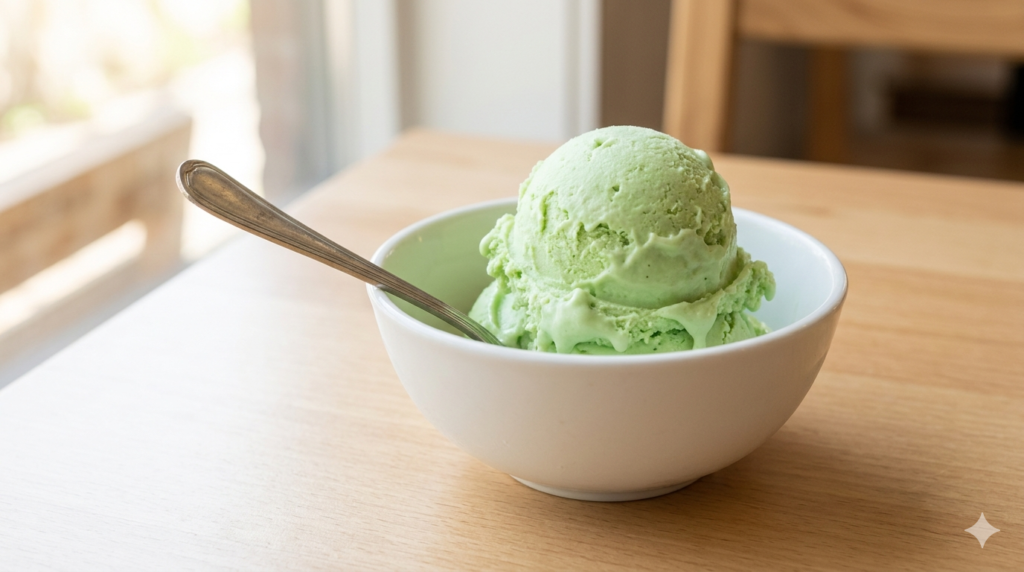
Beyond its storied past in wellness, sweet woodruff remains a culinary icon. In Germany, it is the star of Waldmeister Wackelpudding, ice cream, and festive beers, lending a signature “green” flavor that is synonymous with the arrival of spring.
The Symbolism of Woodruff in Maibowle
Sweet woodruff is a versatile herb that ties beautifully into May Day celebrations. Whether you’re sipping Maibowle or enjoying a calming tea, it carries festive and historical significance – but always remember to enjoy it mindfully. Let its unique aroma and flavor enhance your spring traditions while keeping its effects balanced and healthful.
Woodruff in Maibowle represents celebration, unity, and spring’s abundance. Its aromatic properties reflect joy and harmony, making it ideal for gatherings that embrace connection and renewal.

Reviving Herb Traditions on May Day
Even today, the first of May remains steeped in herb lore and celebratory practices. Whether honoring Beltane with rituals, preparing festive drinks like May Wine, or simply exploring woodruff’s fragrance and charm in a forest walk, May Day reminds us of our intimate relationship with nature.
Reconnect with these traditions by:
Hosting a gathering: Create Beltane-inspired wreaths with seasonal flowers and herbs or serve Maibowle to mark the turning of the season.
Exploring local greenery: Step into nature and observe herbs blooming—it’s a perfect way to ground yourself and celebrate Earth’s renewal.
Trying herb crafts: Dry mint, woodruff, or chamomile to make tea blends, fragrant satchels, or herbal bundles.
Dance into May
The first of May offers spiritual and cultural opportunities to honor the abundance of nature and the transitions of the season. Herbs like sweet woodruff carry history, celebration, and connection into our modern lives through rituals, drinks, and seasonal inspiration. Whether through Beltane fire ceremonies, flower wreaths, or a shared glass of Maibowle, let May Day awaken your senses and ground you in nature’s rhythm.
This information is for educational purposes and is not intended as medical advice. Consult a healthcare professional before using herbal supplements.