Herbal and Natural Remedies for Brittle Nails
While healthy, well-maintained nails radiate vitality and are often a must-have from a cosmetic perspective, brittle nails are unfortunately a common issue for many people. In fact, brittle nails are one of the most frequent nail problems, especially among women. People suffering from brittle nails are not only dealing with a cosmetic and practical issue, but brittle nails can also indicate a more serious health problem. Therefore, seeking medical advice due to brittle nails is not simply about vanity; it can be a sign of an underlying issue. Your primary care physician or a dermatologist is the first point of contact.
Healthy nails serve more than just cosmetic purposes; they have a mechanical protective function and significantly aid in the sense of touch. Understanding the root causes of brittle nails is important: brittle nails can be linked to skin conditions or internal diseases, and they are often a result of deficiencies. Nail fungus can also contribute to brittle nails. Additionally, medications or hormonal changes may cause the nails to become brittle.
While people can take preventive measures and supplementary care to support nail health, it is crucial to consult a doctor if noticeable changes in nails occur. Only a proper diagnosis and treatment will ensure that nails can be restored to a healthy appearance. Treatment success may take up to six months, especially for persistent conditions, as it can take that long for nails to grow back completely.
Brittle Nails as a Symptom (Definition)
Brittle nails are always a symptom that something is wrong. The causes are often relatively harmless and easy to address, such as frequent contact with cleaning agents. However, brittle nails can also be a symptom of a serious health issue that affects more than just the nails and requires comprehensive examination. In rare cases, individual nails may be affected, for instance, by nail fungus.
Brittle nails are a symptom of a growth disorder, characterized by the increasing fragility of the entire nail plate. Around 20% of the population suffers from this, with twice as many women affected as men. Depending on the cause, brittle nails may present additional symptoms that help identify the underlying issue—such as skin diseases or internal conditions.
Most patients view brittle nails as a cosmetic problem, but others may experience discomfort or pain. They report how their brittle nails make daily activities more difficult, often affecting their work life. The quality of life for those affected can be significantly impacted.
The two primary forms of brittle nail syndrome are Onychoschisis and Onychorrhexis: Brittle nails can be a symptom of an abnormal growth and transformation process of the individual nail layers, causing the nail plate to lose its smoothness (Onychoschisis—splitting or separation). Onychoschisis refers to the layer-by-layer splitting of nails parallel to the surface.
Other factors lead to abnormal nail formation, involving the nail root (Matrix), as in Onychorrhexis (splitting or breaking). Onychorrhexis refers to the unusual splitting of nails in the longitudinal direction.
When nail growth is disturbed, such as in Psoriasis or fungal infections, the condition is referred to as Onychodystrophy.

Causes of Brittle Nails
Brittle nails can have many different causes. External causes can often be easily identified, but brittle nails are frequently a side effect of other underlying diseases, making it difficult to pinpoint the exact cause.
If you suffer from brittle nails over a prolonged period and cannot identify any external causes, it is important to consult a doctor. The cause may lie in an illness or infection of the nails, which may not be immediately obvious.
Causes of Brittle Nails in Onychoschisis
In Onychoschisis, the nail splits layer by layer. Potential causes for this include vitamin or iron deficiency, but daily overuse—especially prolonged contact with water and chemicals (including alkaline and solvent-based cleaners, and nail polish removers)—are common culprits. Injuries and improper manicures can also cause brittle nails in Onychoschisis.
In Onychorrhexis, the nails split longitudinally, leading to brittleness. Brittle nails from Onychorrhexis can be a symptom of various conditions, such as Lichen Ruber or other metabolic disorders. Internal causes often include deficiencies in vitamins A and B, malnutrition, or a lack of iron, calcium, or zinc.
Environmental influences and medication side effects can also contribute to Onychorrhexis, such as repeated exposure to harmful substances, particularly solvent-based or alkaline liquids and nail polish removers. Less commonly, hyperthyroidism (overactive thyroid) can cause brittle nails.
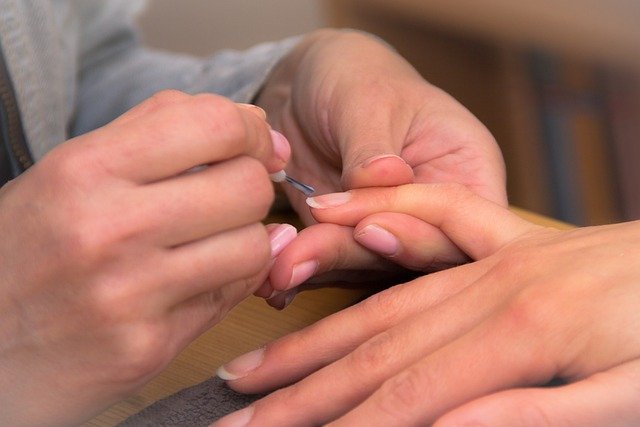
Integrating Natural Remedies for Brittle Nails
To complement medical treatments or to address minor issues related to brittle nails, there are several natural remedies and herbal treatments that can support nail health. Here’s a look at some beneficial options that could be included in your daily care routine.
Herbal Remedies for Brittle Nails
- Rosemary (Rosmarinus officinalis): This herb is known for its stimulating properties that support circulation, including to the nail beds. Rosemary essential oil can be added to a carrier oil like jojoba or olive oil to massage into nails and cuticles, promoting healthy nail growth and strength.
- Nettle (Urtica dioica): Nettle is rich in silica and essential minerals like iron and calcium, which are key nutrients for healthy nails. Nettle tea can be consumed, or nettle extract can be applied topically to promote nail strength and prevent brittleness.
- Lavender (Lavandula angustifolia): Lavender is renowned for its calming and healing properties. Lavender essential oil can be mixed with a carrier oil and massaged into brittle nails to help with healing and reduce any discomfort.
- Biotin-rich Herbs (e.g., Horsetail): Biotin (Vitamin B7) is often used to improve nail strength and prevent brittleness. Herbs like horsetail are rich in biotin and silica. A tea made from horsetail can be consumed, or an extract can be applied topically.
- Garlic (Allium sativum): Garlic contains sulfur compounds that are beneficial for strengthening brittle nails. It can be used as part of a garlic-infused oil that can be massaged into nails, or simply added to the diet to promote overall nail health.
- Aloe Vera (Aloe barbadensis): Aloe vera gel is soothing and can hydrate nails, preventing them from becoming dry and brittle. Applying fresh aloe vera gel to the nails can help moisturize and protect them.
- Coconut Oil: Known for its moisturizing and antimicrobial properties, coconut oil is an excellent remedy for brittle nails. It can help restore moisture to the nails and cuticles, improving nail health and preventing further cracking.
Essential Oils for Nail Care
In addition to herbal remedies, essential oils can be highly effective in promoting nail health:
- Tea Tree Oil: With its antifungal and antiseptic properties, tea tree oil is great for preventing fungal infections that could cause brittle nails.
- Frankincense Oil: This oil is often used for its skin-healing properties and can support overall nail growth and integrity.
Natural Oil Soak for Nails:
To nourish your nails, try this oil soak recipe:
- Combine equal parts olive oil, coconut oil, and lavender essential oil in a small bowl.
- Soak your nails in the mixture for 10-15 minutes, ensuring that your cuticles and nail beds are submerged. The oils will help to moisturize and strengthen your nails over time.
Disclaimer: Always do a patch test for essential oils or herbal extracts before applying them to your nails or skin, especially if you have sensitive skin or allergies. If you have any medical conditions or are pregnant, please consult your healthcare provider before using any herbal remedies.
Brittle nails can have several underlying causes, ranging from environmental factors to serious health conditions. While it’s essential to get a proper diagnosis from a healthcare provider, incorporating natural remedies and herbal treatments into your nail care routine can significantly improve nail health. Remember, a combination of proper care, healthy habits, and natural remedies can help keep your nails strong and beautiful.
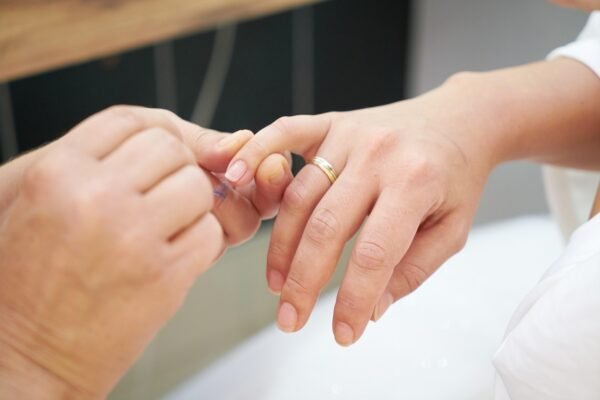
Nail Dystrophies in Dermatological Conditions
Changes in nail growth and appearance, in connection with brittle nails, can have various causes related to skin diseases that affect the nails. Some of the most common causes of brittle nails are fungal infections, psoriasis (psoriasis vulgaris), and lichen planus. In some cases, eczema may also play a role.
Fungal Infection as a Cause of Brittle Nails
Another common cause of brittle nails is nail fungus. A nail fungus infection manifests as spots on the nails and eventually leads to a change in the nail structure. The nail often thickens and eventually becomes brittle. If left untreated, the fungal infection can progress and destroy the nail. In most cases, a specific skin fungus is responsible for the infection.
A telltale sign of a fungal infection is often a yellowish discoloration combined with brittle nail tips and thickening of the nail plate. Since a nail fungus infection requires a prolonged treatment regimen, it is important that the treatment is supervised by an experienced dermatologist.
By the way: healthy and intact nails make it difficult for fungi to spread. However, when the nail is damaged, fungi can penetrate. Frequent contact with water or cleaning agents can soften the nail and create the perfect environment for fungal growth. For toenails, excessive sweating in airtight shoes is often a precondition for fungal colonization. Additionally, metabolic disorders and a weakened immune system can contribute to the development of nail fungus.
Psoriasis – Psoriatic Nails
Brittle nails are often linked to an inflammatory skin condition called psoriasis (commonly known as “psoriasis vulgaris”). Psoriasis is a chronic skin disorder, and nearly half of those affected will also experience nail changes over time. Typical symptoms of psoriatic nails include ridges, unusual dents in the nails, as well as spots or pitting, thickening, and discoloration, such as yellow spots (known as “oil nails”). In severe cases, the nail plate may detach.
Unfortunately, psoriasis is considered incurable, and its exact cause remains unclear. However, symptoms can be alleviated through ongoing treatment of the underlying condition, and brittle nails can be cared for with special attention to nail health.
Brittle Nails: Internal Diseases as a Cause
Brittle nails often have an internal cause that may not be immediately apparent. For those affected, brittle nails are frequently seen as an isolated problem. In some cases, the underlying condition may be unknown while the patient experiences a range of other symptoms. This is why it is essential to determine the cause of brittle nails through an experienced physician.
Thyroid Issues as a Cause of Brittle Nails
One of the common causes of brittle nails is thyroid disorders. This is particularly suspected when hair becomes dull, brittle, or falls out. Both hypothyroidism (underactive thyroid) and hyperthyroidism (overactive thyroid) can negatively impact hair and nails. Women are more likely to experience thyroid-related nail problems than men. It is important to have this potential cause checked by a healthcare professional.
Additionally, hormonal imbalances or changes can adversely affect nails. There are usually other signs, such as fatigue or brittle hair. For women, pregnancy or menopause may also influence nail health due to hormonal changes.
Diabetes and Effect on Nails
Brittle nails can also be a sign of diabetes. However, individuals with diabetes are typically well-informed about their condition and its potential impact on nails. If you have diabetes, it is important to discuss with your doctor whether your brittle nails could be related to your condition. In addition, you can pursue localized treatment to support nail health.
Rheumatoid Arthritis
Chronic inflammatory joint conditions like rheumatoid arthritis (or psoriatic arthritis) can also cause dull, brittle nails. People with these conditions are usually already aware of their primary diagnosis, and the cause of brittle nails is being treated as part of the management of the underlying condition. However, additional care can be given to the nails to support healing and improve their condition.
Integrating Natural Remedies for Brittle Nails in Dermatological Conditions
For those suffering from brittle nails due to dermatological conditions like fungal infections, psoriasis, or eczema, natural remedies can complement medical treatments to promote healthier nails. Here are some natural options that might help:
Herbal Remedies for Nail Dystrophies in Dermatological Conditions
- Tea Tree Oil: Known for its powerful antifungal properties, tea tree oil is especially beneficial for treating nail fungus. Dilute tea tree oil with a carrier oil, like coconut oil, and apply it directly to the affected nails to help combat fungal infections and reduce brittleness.
- Neem (Azadirachta indica): Neem is well-known for its antimicrobial and antifungal properties. It can be used in the form of neem oil or powder to treat fungal nail infections. Applying neem oil to the affected nails helps prevent the infection from spreading and promotes healing.
- Calendula (Calendula officinalis): Calendula is an excellent herb for soothing irritated skin and promoting healing. A calendula ointment can be used to treat dry, flaky skin around the nails, which may accompany conditions like psoriasis or eczema.
- Lavender Oil: Lavender not only has antifungal and antiseptic properties but also helps soothe inflamed and irritated skin. Lavender essential oil can be applied to the nails to promote healing and reduce discomfort.
- Aloe Vera (Aloe barbadensis): Aloe vera is great for reducing inflammation and promoting healing. Applying aloe vera gel to the nails affected by psoriasis or eczema can help calm irritation and moisturize the nail bed, potentially reducing brittleness.
- Turmeric (Curcuma longa): The curcumin in turmeric is a natural anti-inflammatory agent. Taking turmeric supplements or using it topically with a carrier oil can help reduce inflammation and promote healthy nail growth, especially for conditions like rheumatoid arthritis.
Essential Oils for Supporting Nail Health
- Oregano Oil: Known for its potent antifungal properties, oregano essential oil can be effective in treating fungal infections that cause brittle nails. It should be diluted before use and applied directly to the nails.
- Peppermint Oil: Peppermint oil has antifungal properties and can stimulate circulation, promoting nail health and helping with healing.
Nutritional Support
For conditions like psoriasis or diabetes, where internal factors contribute to brittle nails, nutritional support is crucial:
Vitamin E: Vitamin E is known for its skin-healing properties and can be beneficial for nails affected by conditions like eczema or psoriasis. It can be applied topically or taken as a supplement.
Biotin (Vitamin B7): Biotin supplements or foods rich in biotin, such as eggs, nuts, and whole grains, can support nail strength, especially for those with psoriasis or metabolic issues.
Zinc: Zinc is vital for skin and nail health. Consuming foods like pumpkin seeds, legumes, and spinach, or taking a zinc supplement can help improve nail health.
Causes of Brittle Nails:
- Nutrient Deficiencies:
- Vitamins: Deficiencies in Vitamin B, C, Biotin (Vitamin H), Folic Acid, Cobalamin, Vitamin A can lead to brittle nails. Too much Vitamin A can also cause brittle nails.
- Minerals: Lack of calcium or iron may cause brittle nails, and accompanying symptoms like pale skin or dull hair can provide important clues.
- Iron Deficiency: If the body prioritizes iron for red blood cell formation, nails may suffer from a lack of oxygen and nutrients, leading to brittleness.
- External Causes:
- Frequent exposure to chemicals or water can weaken nails. Alkaline and grease-dissolving cleaning agents, as well as nail polish removers, may strip nails of moisture and increase vulnerability to infections.
- Medication Use:
- Certain medications, like chemotherapy drugs (cytostatics), may cause brittle nails. Other medications can also impact nail health, including captopril, chlorpromazine, and tetracyclines.
Nail Growth Disorders:
- Onychorrhexis and Onychoschisis are two types of disorders causing brittle nails:
- Onychorrhexis: Longitudinal splitting of the nail plate.
- Onychoschisis: The nail plate splits horizontally from the free edge.
- Treatment includes addressing the underlying cause, along with supportive care like moisturizing nail treatments and using nail plasters.
External Influences and Medication:
- Physical injuries, like blood clots or cosmetic treatments, can cause temporary changes in nail appearance, such as dark discoloration or white lines.
- Nail fungus (onychomycosis) may also cause brittleness, requiring antifungal treatments and possibly systemic medication in severe cases.
Treatment Options:
- Addressing the Underlying Condition:
- If an illness (e.g., thyroid disorder, diabetes) is the root cause, treating the disease may improve nail health.
- In cases of psoriasis, medications may help manage the condition, though symptom relief can take longer.
- Biotin: Supplements of biotin (Vitamin B7) are commonly recommended to strengthen nails. It supports keratin production, improving the structure of nails and hair. Biotin may also help with nail fungal infections.
- External Care:
- Protect nails from chemicals by using gloves and avoiding frequent exposure to harsh substances.
- Schüssler Salts and oils like lavender and tea tree oil can be used as complementary treatments.
- Applying nail oil or using healing earth treatments may help nourish and protect nails.
Brittle nails are a multifaceted issue that may result from both external and internal causes. While certain lifestyle changes, proper nutrition, and protective care can help manage the condition, it is crucial to first identify and address any underlying health issues or nutrient deficiencies with the help of a healthcare professional.
Herbal Remedies for Brittle Nails
In addition to traditional treatments, there are several herbal remedies that can help improve the health and strength of brittle nails. These herbs often support nail growth, prevent breakage, and promote overall nail health through their natural nutrients and properties. Here are some options:
1. Horsetail (Equisetum arvense)
Horsetail is rich in silica, a mineral essential for healthy nail growth. It strengthens nails and improves their resilience. You can find horsetail as a tea, tincture, or supplement. Regular use is known to help promote nail growth and prevent brittleness.
2. Nettle (Urtica dioica)
Nettle is packed with vitamins A, C, K, and several B vitamins, all of which are essential for healthy nail growth. Nettle also contains iron, which can help prevent iron deficiency-related nail issues. You can take nettle as a tea or in capsule form.
3. Lavender (Lavandula angustifolia)
Lavender oil can be used topically to help nourish the nails and cuticles. Its antifungal and antiseptic properties also help prevent nail infections, which can contribute to brittleness. Massage a few drops of lavender oil mixed with a carrier oil (such as coconut oil) into your nails to improve strength.
4. Garlic (Allium sativum)
Garlic is known for its antifungal, antibacterial, and antioxidant properties. It helps strengthen nails by nourishing them from within. You can apply crushed garlic directly to the nails or use garlic oil for massaging your nails. Some people also consume garlic supplements for better results.
5. Chamomile (Matricaria chamomilla)
Chamomile can be used in herbal nail soaks. It has soothing and anti-inflammatory properties, which help improve the health of brittle nails, especially when they are damaged or inflamed. Chamomile helps to calm and heal the skin around the nails as well.
6. Aloe Vera (Aloe barbadensis miller)
Aloe vera is well known for its healing properties and is often used to treat damaged and dry skin. Aloe vera gel can be applied to nails and cuticles to hydrate and promote faster nail growth. The gel is rich in vitamins and minerals that help nourish and restore nails.
7. Calendula (Calendula officinalis)
Calendula is often used to promote the healing of wounds and is a gentle herb for skin and nails. It has antifungal properties that can help prevent infections that might cause nail issues. You can apply calendula ointment or oil directly to your nails to help promote healing and strength.
8. Vitamin E Oil
Though not an herb, vitamin E oil is often used as a natural treatment for brittle nails. It nourishes and strengthens the nails, helping to prevent splitting and cracking. You can massage vitamin E oil directly into your nails and cuticles to improve hydration and strength.