
Rose
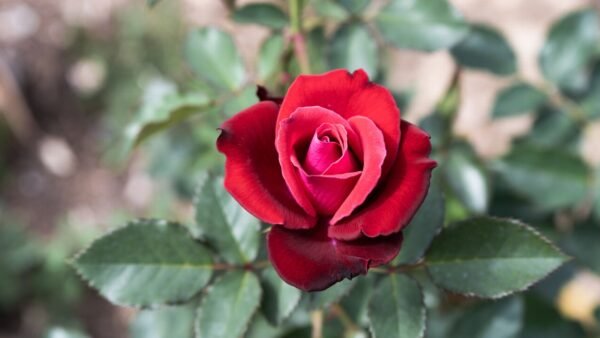
Latin name: Rosa centifolia
Family: Rosaceae (Rose family)
Other Names:
Hundred-petaled rose, Cabbage rose, Provence rose, Garden rose
Description:
A multi-petaled, richly fragrant rose variety, Rosa centifolia is a shrub with lush green leaves and densely layered, round flowers. The flowers are usually pink and extremely aromatic. The plant grows as a perennial shrub, often forming compact bushes, and is highly prized for its essential oil content.
Flowering Time:
May to July (depending on climate)
Habitat:
Originally from the Caucasus, Iran, and Turkey; cultivated widely in temperate garden regions across Europe and the Middle East.
Cultivation:
Prefers rich, well-drained soils with full sun. Can be grown from cuttings or grafted. Sensitive to excessive moisture and best pruned after flowering. Traditional cultivation areas include regions of Bulgaria, Morocco, Iran, and Southern France (notably Grasse and Provence) for rose oil production.
Plant Parts Used:
Fresh or dried petals (Rosae flos)
Essential oil extracted from petals (Rosae aetheroleum)
Taste:
Mild, slightly sweet, fragrant, slightly astringent
Folk Medicine:
Used since antiquity by Egyptians, Greeks, Romans, and in medieval monastery medicine. Rosa centifolia was traditionally applied for heartache, grief, digestive weakness, fever, and skin inflammation. Rose petals were also added to herbal blends for calming and cooling effects. The rose was considered a sacred plant in many cultures, often associated with purification, protection, and spiritual symbolism.
Active Compounds:
- Essential oil (up to 400 components): Geraniol, Citronellol, Rose oxide
- Tannins
- Flavonoids
- Polysaccharides
- Anthocyanins
- Waxes and resins
Mode of Action:
- Mildly astringent (especially the petals)
- Anti-inflammatory
- Antioxidant
- Antibacterial
- Antifungal
- Wound-healing
- Emotionally balancing (aromatherapeutic effect of the essential oil)
Indications:
- Mild inflammations of the mouth and throat
- Aphthae and gum irritation
- Digestive discomfort (bloating, mild cramps)
- Menstrual irregularities (traditionally)
- Nervous tension, stress, emotional exhaustion
- Bronchial irritation
- Skin issues (eczema, irritation, inflammation)
- Used externally for wound care, eye compresses, and facial tonics
- Common in aromatherapy for relaxation, grief, anxiety
Contraindications:
None known for normal use of petals or rose water
As with all essential oils, do not use undiluted on the skin, and avoid internal use of essential oil unless under professional guidance
Usage / Remedies / Applications:
Rose Tea: calming and digestive; 1–2 tsp dried petals per cup, steep 5–10 min
Rose Water (Aqua rosae): for skincare, eye compresses, and as a cooling facial spray
Rose Honey (Mel rosatum): rose-infused honey used traditionally for cough, sore throat, and to flavor herbal medicines
Aromatherapy: rose essential oil is diffused for emotional support, often blended with base oils for skin application
Baths: rose petal infusion added to bathwater for calming and skin-soothing effects
Culinary use: rose petals in syrups, jams, vinegar, and desserts