What do the Easter Bunny and Herbs have in Common?
When you think of Easter symbols, the bunny probably comes to mind first — but herbs have been just as much a part of Easter traditions for centuries. Fresh greens appear on Easter tables across Europe, whole dishes are built around the season’s first wild plants, and the very timing of Easter aligns with the moment the earth turns green again. So what exactly do the Easter Bunny and herbs have in common? Quite a lot, as it turns out.
Both are woven through Easter celebrations as symbols of the same thing: renewal, life, and the return of abundance after winter. Once you see the connection, Easter starts to look like a much richer, greener celebration than chocolate eggs alone might suggest.
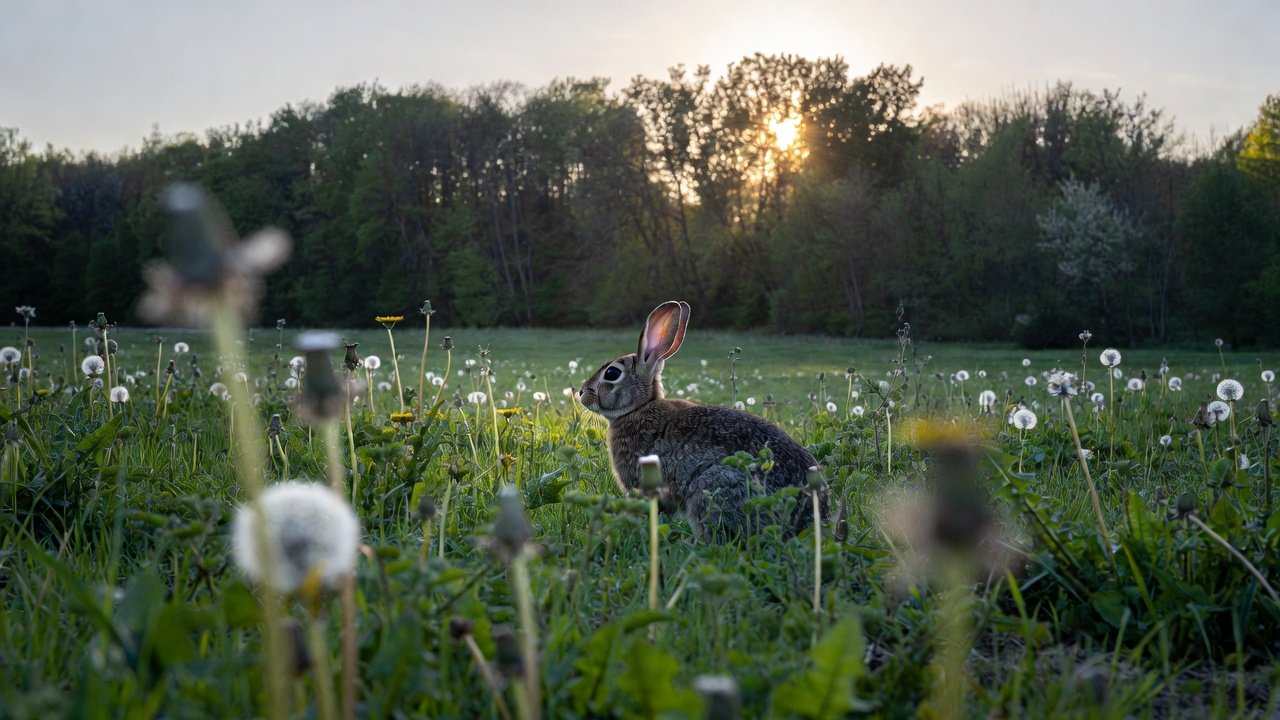
The Easter Bunny: Where Does This Tradition Come From?
The Easter Bunny is one of the most recognizable Easter symbols in the world, especially in the United States, the United Kingdom, Germany, and Australia. Its roots go back further than most people realize – all the way to pre-Christian spring celebrations, most notably Ostara, an ancient Germanic festival honoring the season’s return. (I’ve written a full article on that if you’d like to explore the deeper origins of Ostara.) But the Easter Bunny as a beloved family tradition took its modern shape through a very specific route.
German immigrants who settled in Pennsylvania in the 18th century brought with them the legend of the “Osterhase” – a hare that would lay colorful eggs in nests for well-behaved children. Over time, this tradition spread across America and merged with other Easter customs, eventually giving us the egg-hiding, basket-filling Easter Bunny of modern celebrations.
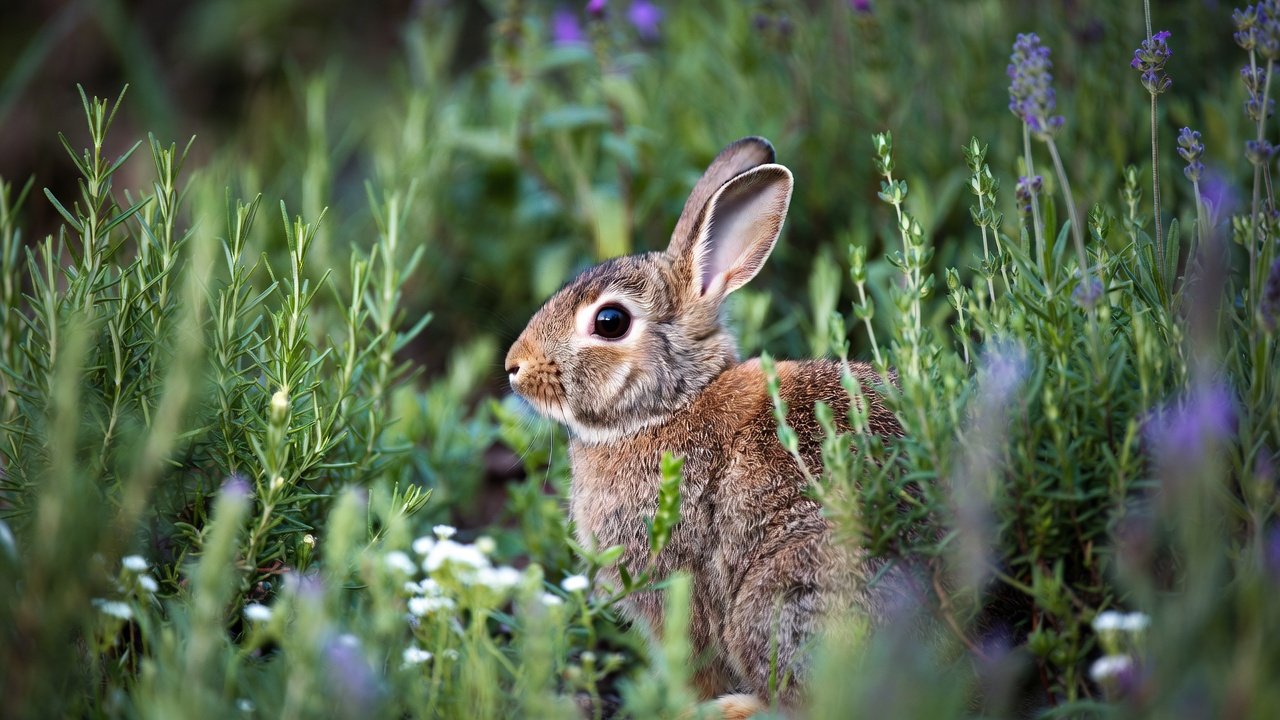
But why a rabbit? Rabbits and hares have long been associated with spring because of their remarkable fertility and their habit of reappearing in fields as winter ends. They are one of the first signs of animal life returning to the landscape – bounding across meadows just as the first green herbs begin to push through the earth. That connection between the bunny and the greening of the world is no coincidence.
Herbs at Easter: Their Meaning, Symbolism, and Tradition
Herbs at Easter are far older than chocolate eggs or supermarket hot cross buns. Long before Easter became the commercial holiday we know today, fresh herbs were central to how people across Europe marked the season – on their tables, in their rituals, and in their kitchens.
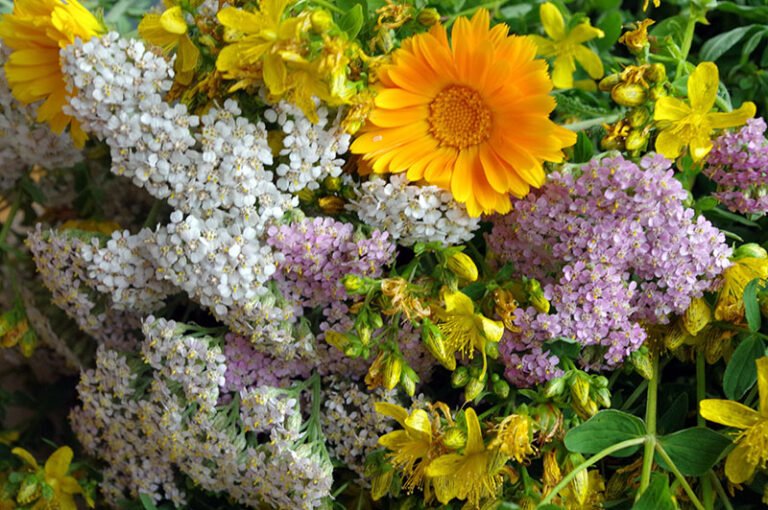
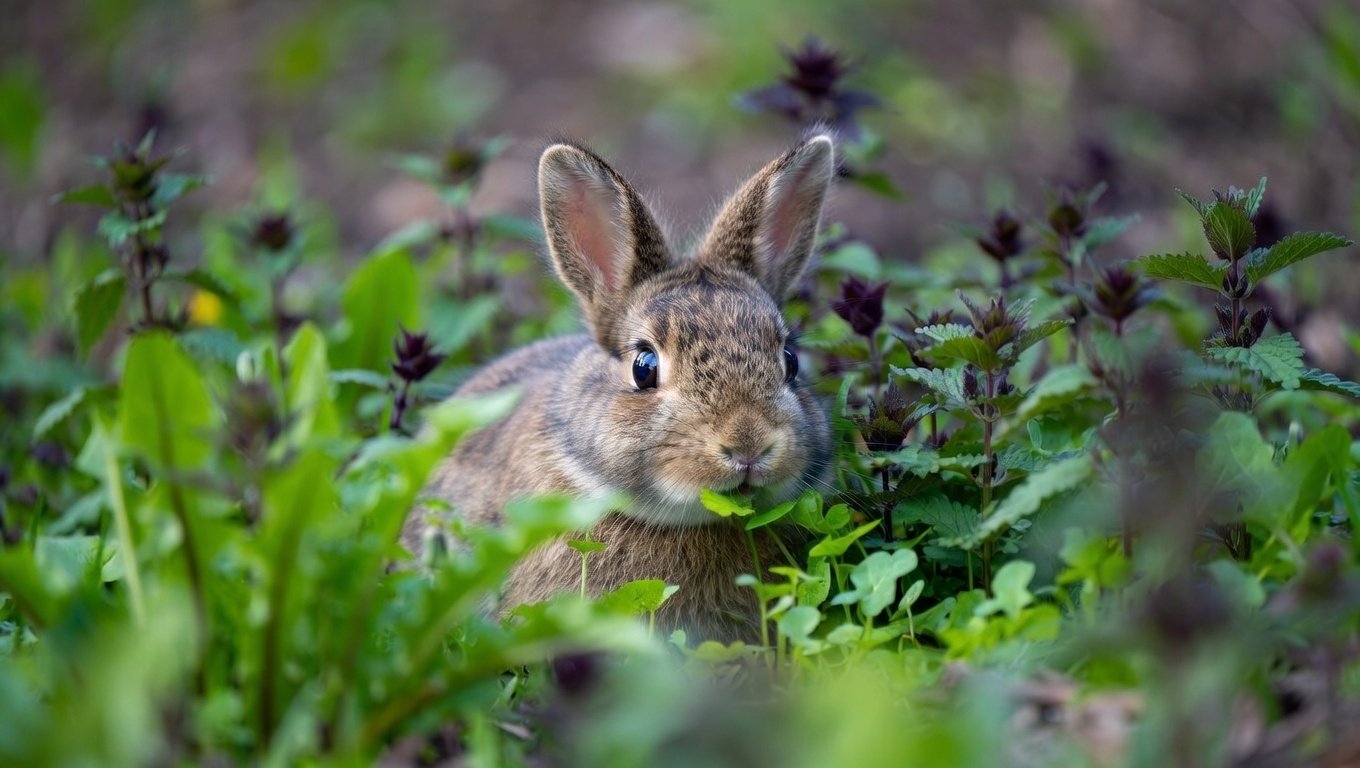
The Easter herbs meaning is rooted in timing as much as anything else. Fresh herbs are among the very first plants to emerge after winter – nettles, dandelions, sorrel, and chickweed begin to appear in gardens and hedgerows right around Easter, making them living symbols of renewal. After months of stored and preserved winter food, gathering these first spring greens was a deeply meaningful act: a sign that the earth was alive again and abundance was returning.
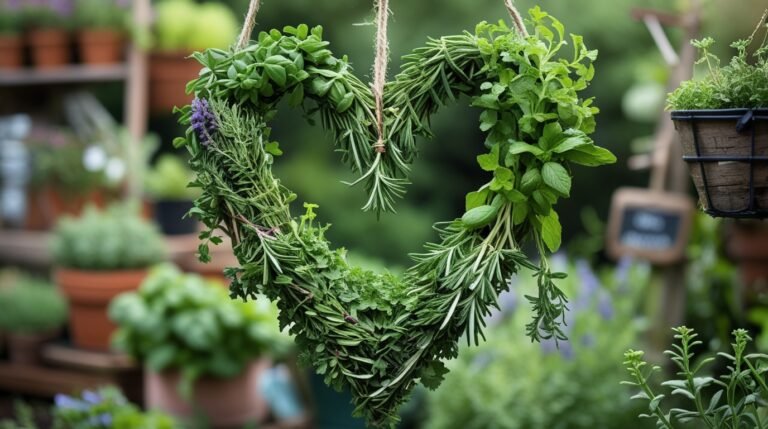
In Christian Easter tradition, herbs at Easter also carry specific spiritual symbolism. Bitter herbs feature in the Passover Seder – a tradition that directly influenced early Christian Easter observances across Europe. From there, individual herbs took on their own Easter meanings: rosemary for remembrance, bay for victory and renewal, parsley for fresh beginnings. These are not random associations – they are a herb symbolism language that has been spoken at Easter tables for centuries.
What the Easter Bunny and Herbs Really Have in Common
So what is the actual connection? Quite simply: both the Easter Bunny and herbs are symbols of the same thing. They represent the same Easter themes of renewal, life, abundance, and the turning of the season from dark to light, cold to warm, bare to green.
Here is how their symbolism overlaps:
- New life and fertility: Rabbits are famously prolific breeders, appearing in abundance as spring arrives. Fresh herbs emerge from the earth after winter’s dormancy. Both signal that life is regenerating.
- A connection to the natural world: The Easter Bunny is a wild creature of fields and meadows – the very same meadows where spring herbs grow. Rabbits graze on these first greens, quite literally connecting the animal and plant symbols of the season.
- Healing and nourishment: In folklore, the hare was considered a lucky, even medicinal creature. Herbs, of course, have been used for healing and nourishment throughout human history. Both carry associations with wellbeing and vitality.
- Easter traditions and celebrations: Across Germany, Austria, and other parts of Europe, both appear side by side in Easter customs – from herb-adorned Easter tables to traditional Easter soups made from the season’s first greens.
| Theme | Easter Bunny Symbolism | Herbs Symbolism | Shared Connection |
|---|---|---|---|
| Fertility & New Life | Hares symbolize rapid reproduction and the surge of wildlife in spring — one of the most ancient Easter symbols of life returning. | Emerging greens like dandelions and nettles represent the earth’s renewed productivity, traditionally gathered as the first signs of spring abundance. | Both appear at the same moment: when winter ends and the natural world stirs back to life. The bunny in the meadow and the herb in the soil are two faces of the same seasonal awakening. |
| Renewal & Rebirth | Bunnies emerging after winter evoke resurrection and new beginnings — themes at the very heart of Easter celebrations. | Rosemary, lavender, and parsley signal fresh starts and the land’s post-winter revival, with deep roots in European Easter customs. | Easter’s central message is renewal — and both the bunny and herbs have carried that meaning across cultures and centuries, long before chocolate eggs entered the picture. |
| Healing & Nourishment | In British and German folklore, hares were considered lucky, protective creatures associated with good health and fortune. | Herbs like chamomile, nettles, and mint have been used for healing and nourishment throughout history, especially celebrated at Easter when fresh plants first appear. | Both connect to the idea of spring as restorative — a time when the return of fresh food and living things was genuinely life-giving after a long winter. |
| Easter Traditions & Celebrations | Across Europe and North America, the Easter Bunny brings eggs and treats — a tradition rooted in the German Osterhase legend carried to America in the 18th century. | Herbs feature on Easter tables, in Green Thursday soups, and — through plant dyes — in the coloring of Easter eggs with natural pigments and botanical patterns. | From the Easter basket to the Easter table to naturally dyed eggs, herbs and the Easter Bunny both show up at the heart of how we celebrate the season. |
Germany’s Green Thursday: Where Herbs Take Centre Stage at Easter
One of the most beautiful Easter herb traditions comes from Germany, where the Thursday before Easter – known as Gründonnerstag, or “Green Thursday” – is celebrated with a meal made from fresh green herbs. Eating something green on this day is said to bring health and vitality for the year ahead.
The most traditional dish for Green Thursday is the Nine-Herb Soup (Neunkräutersuppe or Gründonnerstagsuppe) – a nourishing broth made from exactly nine different herbs or wild greens. The specific herbs vary by region and by what is available, but typically include nettles, dandelion, sorrel, chickweed, parsley, chervil, dill, lovage, and mint.
This is Easter herb traditions at their most vivid: a whole dish built around the season’s first wild greens, eaten as part of the Easter Holy Week, connecting the table to the earth in a way that feels both ancient and utterly relevant today.
From the Easter Table to the Easter Basket: Dyeing Eggs with Plants
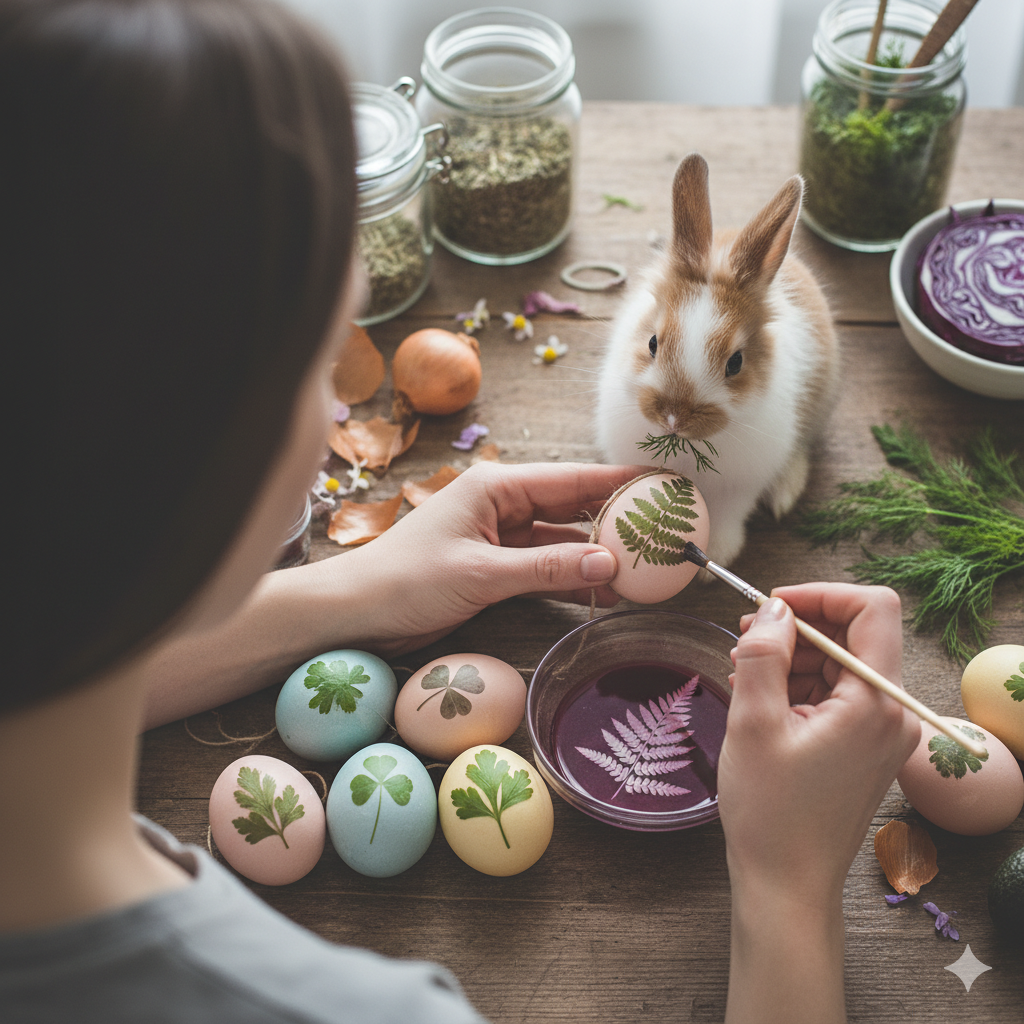
There is one more place where herbs and plants step into your Easter celebrations – and it is just as beautiful as it is practical. Many of the same herbs, vegetables, and plants you might gather for your Easter table can also be used to naturally dye Easter eggs.
Natural plant-based egg dyeing is an old tradition that predates synthetic dyes entirely. Onion skins produce warm golden and burnt-orange tones. Red cabbage creates stunning shades of blue and lilac. Turmeric yields a vivid sunshine yellow. Nettles and spinach, some of the same greens in your Green Thursday soup, can produce soft greens and yellows. Beetroot gives deep pinks and purples.
If you want to take your Easter celebrations in a more natural, plant-powered direction – whether you are coloring traditional eggs or looking for vegan alternatives – I have put together a free guide walking you through exactly how to do it. It covers the best plants and herbs for each colour, how to prepare your dye baths, and how to get the most vibrant, long-lasting results. Whether you are a first-timer or looking to refine your technique, it is a wonderful way to bring more of the natural world into your Easter traditions. → Download the free guide: How to Color Easter Eggs with Natural Plant Dyes
It is a natural extension of everything we have explored here – connecting the Easter Bunny’s world of spring meadows, the herb garden’s first green shoots, and the Easter basket, all through the medium of plants.
Bringing It All Together: Easter, Herbs, and the Language of Spring
Easter, at its heart, is a celebration of life returning. Whether that means the Christian story of resurrection, the natural world waking up after winter, or simply the pleasure of longer days and warmer light – the symbols we use to mark it all point in the same direction.
The Easter Bunny bounding across a green field. Fresh herbs pushing up through the soil. A bowl of steaming green soup on the Easter table. Eggs coloured with plant dyes in shades drawn from the garden. These are all different expressions of the same thing: the season’s abundance, returning right on schedule.
This Easter, whether you cook a Nine-Herb Soup for Green Thursday, forage your first spring nettles, or let your children help dye eggs with turmeric and red cabbage, you are participating in traditions that have connected people to the natural world for generations. The Easter Bunny and herbs have more in common than a seasonal colour palette – they are both messengers of the same joyful news. Spring is here.