Why Organic Essential Oils Matter: A Guide to Understanding the Benefits
When you walk down the aisles of your local health store or browse online for essential oils, you may notice the organic options standing out. You’re likely accustomed to choosing organic fruits and vegetables, but should you be considering the same for your essential oils? It’s a question that deserves more attention. After all, essential oils are highly concentrated, and the quality of these oils is paramount to getting the best out of them for wellness, beauty, and household care. So, why does choosing organic matter for essential oils? Let’s take a closer look.
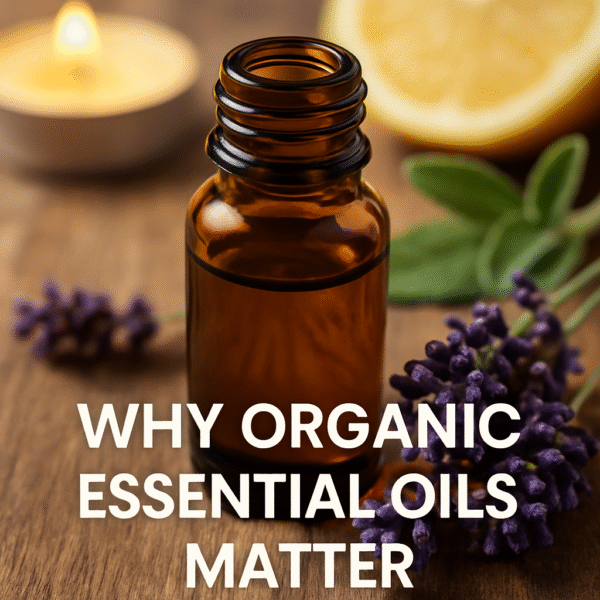
How Essential Oils Are Made: The Process of Distillation
To understand why organic is important, we first need to look at how essential oils are made. The most common method of extracting essential oils is through distillation, a process where steam is used to break down the plant material and release its essential oils. This steam is then cooled, and the essential oils separate from the water.
Essential oils can also be cold-pressed, especially in the case of citrus oils like lemon, orange, and bergamot. In cold-pressing, the oil is squeezed directly from the peel of the fruit, without the use of heat. This process is popular for its ability to preserve the aromatic and therapeutic properties of citrus oils, but it also has its own challenges.

Why Organic Matters in Essential Oils
You might wonder, what makes organic essential oils different from their non-organic counterparts? The difference often comes down to what’s not in the oil. When it comes to organic essential oils, you can be confident that the plants they are derived from are free from synthetic pesticides, herbicides, and fertilizers. These chemicals can leave residue on the plants and, in some cases, even end up in the oil after distillation.
Pesticides and Chemical Residues
While some plants used for essential oils, like lavender or rosemary, are naturally pest-resistant and don’t need pesticides, others – especially fruits and herbs – may be sprayed to ward off pests. The concern is that these chemicals could remain in the oils after extraction. Though steam distillation generally does a good job of filtering out larger particles, smaller chemical molecules like pesticides can still make their way into the final product, particularly in cold-pressed oils (e.g., citrus oils).
Even though the concentration of pesticides in essential oils is typically low, the fact that essential oils are highly concentrated means that any residue is more potent. The benefits of using essential oils—whether for relaxation, skin care, or even cleaning—could be diminished by the presence of these chemicals. So, by choosing organic essential oils, you’re reducing the risk of exposure to harmful residues.

The Impact on Health
When you choose organic essential oils, you’re not just thinking about the quality of the oil but also the potential impact on your health. Many people use essential oils for their therapeutic benefits in aromatherapy or for skin care, so purity is key. Non-organic oils, especially those made from conventionally farmed plants, may have been subjected to harmful synthetic chemicals during production. While some may argue that the levels are minimal, why risk it, especially when organic oils offer the peace of mind that comes with being free of pesticides, herbicides, and synthetic chemicals?
Essential Oils for Wellness, Health, and Household Use
Now that we’ve established why organic is important, let’s dive into how essential oils are used in everyday life and why purity matters in these applications.
Aromatherapy
One of the most popular uses for essential oils is aromatherapy. Oils like lavender, eucalyptus, peppermint, and tea tree are commonly used to promote relaxation, reduce stress, and improve mood. Since the goal of aromatherapy is to enhance your well-being, it’s vital to choose essential oils that are free from toxic chemicals. Organic oils, with their pure, untainted nature, offer the best therapeutic benefits, providing an authentic, natural experience.
Skin Care and Cosmetics
Essential oils are also widely used in skin care. Oils like rose, frankincense, and geranium are known for their calming and rejuvenating properties. Since your skin absorbs everything you apply, it’s essential to ensure that the oils you use are free from any synthetic additives. Organic essential oils provide a safer and more effective option for your skin.
Household Use
Essential oils are often used around the home for cleaning, air freshening, and even pest control. Many oils, like lemon, tea tree, and lavender, have natural antibacterial and antifungal properties, making them excellent for cleaning. However, to ensure that the oils you’re using in your home are truly pure, choosing organic is the best option. Not only will this reduce your exposure to harmful chemicals, but it also supports sustainable farming practices that benefit the environment.

Essential Oils as Health Remedies
Essential oils have been used for centuries as natural remedies for various health concerns. For external use, oils like tea tree can help with skin infections, lavender can soothe minor burns, and peppermint can ease headaches when applied to the temples. Some oils like eucalyptus and rosemary can be used in steam inhalation to help with respiratory issues. For internal use, certain essential oils like lemon, peppermint, and oregano are sometimes taken in small, diluted doses to support digestive health or boost immunity. However, it’s crucial to note that internal usage requires extreme caution and should always be done under the guidance of a qualified healthcare practitioner. The potency of essential oils—especially organic ones free from chemical residues—makes them powerful tools for health support, but this same potency demands respect and proper knowledge. Always research each oil thoroughly, as some are toxic when ingested, even in small amounts. When considering essential oils for health applications, organic certification becomes even more important, as you want to ensure you’re getting the purest, most therapeutic product possible without introducing potentially harmful chemicals into your healing regimen.

IMPORTANT DISCLAIMER: Essential oils are highly concentrated plant extracts and should be used with caution. Internal use of essential oils is controversial and potentially dangerous if done improperly. Never ingest essential oils without guidance from a qualified healthcare provider who has experience with aromatic medicine. Many essential oils are toxic when ingested, even in small amounts. For external application, always dilute oils properly with a carrier oil before applying to skin, and perform a patch test first. Essential oils are not regulated by the FDA and are not meant to diagnose, treat, cure, or prevent any disease. They should complement, not replace, professional medical care. Pregnant women, nursing mothers, children, and individuals with medical conditions should consult healthcare providers before using essential oils in any form.
What to Look for When Buying Essential Oils
When purchasing essential oils, it’s important to know what you’re getting. Here are a few things to consider:
- Certification: Look for oils that are USDA Certified Organic or similarly certified by reputable organic certification bodies. Certification guarantees that the oil comes from plants grown without pesticides or synthetic fertilizers.
- Steam Distilled vs. Cold-Pressed: If you’re looking for citrus oils (like lemon or orange), opt for organic cold-pressed oils. These are more likely to be free of pesticide residues compared to non-organic cold-pressed oils.
- Brand Reputation: Buy from well-known, trusted brands that prioritize the quality and purity of their products. Established companies often provide transparency in sourcing and production.
- Batch Testing: Check if the company offers GC/MS (Gas Chromatography-Mass Spectrometry) testing results for their oils. This testing ensures the oils are pure and free from adulterants or contaminants.
The Benefits of Organic Essential Oils
By choosing organic, you’re making a commitment to both your health and the environment. Organic farming practices ensure that the plants are grown sustainably, without harming the soil or the surrounding ecosystem. These oils are also free from synthetic chemicals that can accumulate in our bodies over time, reducing the risk of adverse health effects.
Furthermore, organic essential oils often provide a more authentic, potent aroma and higher therapeutic qualities. Whether you’re using oils for relaxation, skincare, or cleaning, the purity and quality of organic oils can make a significant difference in the results you experience.

Final Thoughts on Organic Essential Oils
When it comes to essential oils, the choice of organic versus non-organic can make a real difference. While not all essential oils are created equal, and not all non-organic oils pose significant risks, choosing organic gives you the peace of mind that you’re using a product that’s free of synthetic pesticides, herbicides, and other potentially harmful chemicals. Whether you’re using essential oils for aromatherapy, personal care, or around the house, organic options provide a cleaner, more sustainable choice for your health and the environment.
Remember, when purchasing essential oils, always look for certified organic products and choose brands that offer transparency about their sourcing and production methods. Your wellness journey deserves the best nature has to offer, and organic essential oils provide exactly that. While they may come at a higher price, the benefits of choosing organic—such as peace of mind, better quality, and a cleaner, more sustainable product—are well worth the investment.
Whether you’re using essential oils for aromatherapy, wellness, or skin care, always take the time to research the quality of the oils you’re buying. Look for certified organic oils from reputable brands, and enjoy the peace of mind that comes from knowing you’re using the purest, most effective plant-based remedies available.
Disclaimer: The information provided in this article is for educational purposes only and is not intended as medical advice. Please consult with a qualified healthcare professional before using essential oils, especially if you are pregnant, nursing, or have any pre-existing health conditions.