From Garden to Easter Basket – Dyeing Easter Eggs Naturally with Herbs and Plants
There is something quietly satisfying about making colour from plants. A handful of dried chamomile, a cup of hibiscus flowers, a bunch of fresh parsley – and suddenly you have a whole palette of warm, earthy tones simmering on your stove. No chemical tablets, no synthetic dyes, no waste. Just herbs doing what herbs do best.
Natural plant dyeing is one of the oldest crafts in human history, and it is experiencing a genuine revival – not just among herbalists and zero-waste households, but among anyone looking for more intentional, slower ways to celebrate the seasons. Every year, more people search for alternatives to conventional Easter egg dye kits – looking for something vegan, something natural, something that actually means something. Plant-based and herb-centered dyeing is exactly that.
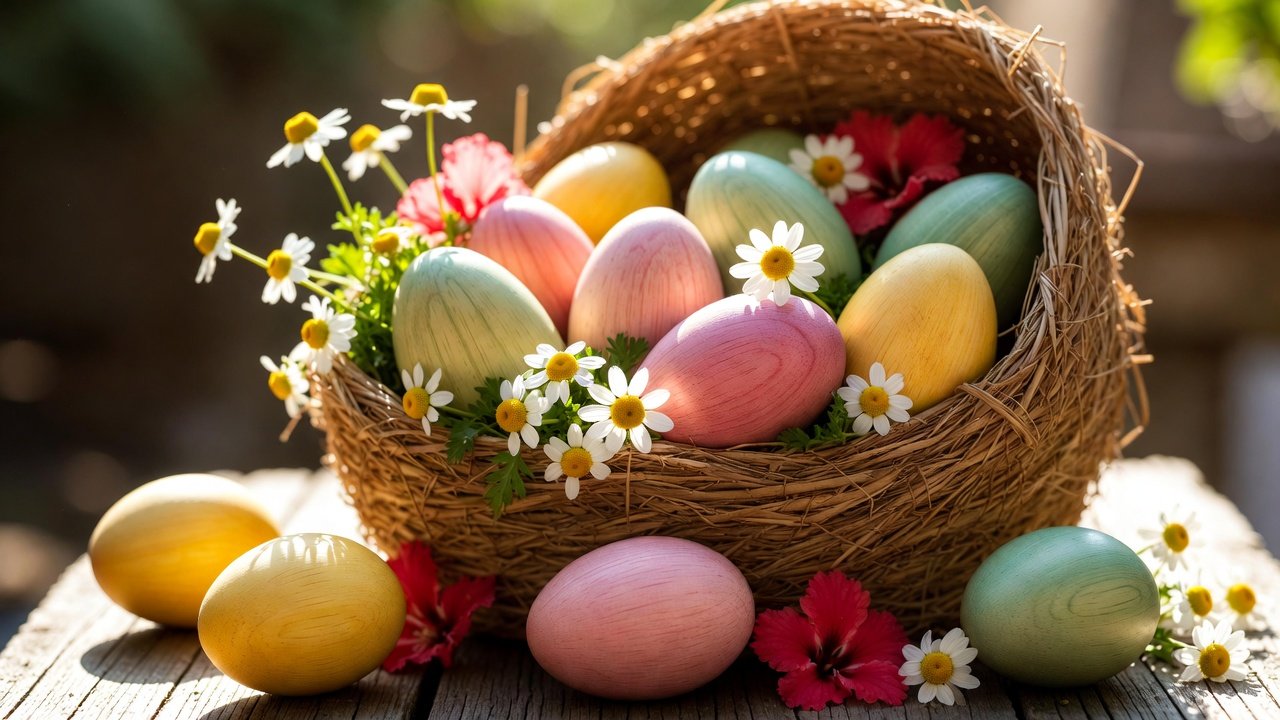
Why Herbs – and Not Just the Usual Kitchen Staples?
Most people who have tried natural Easter egg dyeing before reach straight for red cabbage or beetroot. Bold, dramatic, reliable – and yes, they work beautifully. But herbs bring something different to the dye pot: subtlety, fragrance, and a living connection to the season that no supermarket vegetable quite matches.
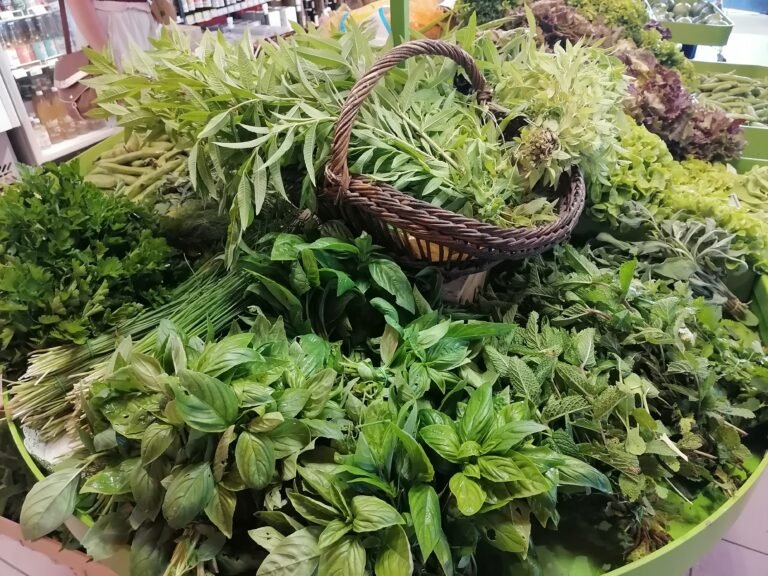
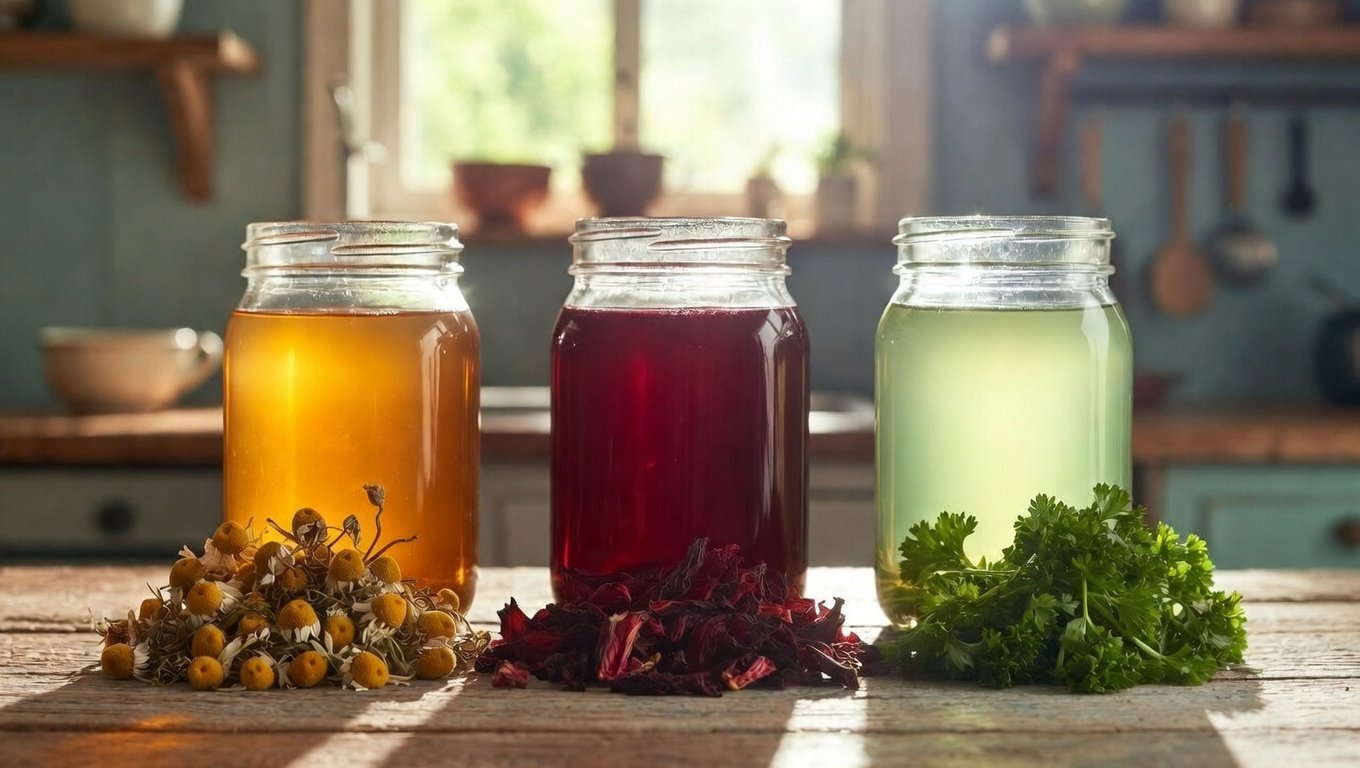
Chamomile gives a soft golden yellow. Hibiscus deepens into rose and red. Calendula offers warm amber tones. Fresh parsley and nettle yield delicate greens. Elderberry shifts into a dusty purple-grey unlike anything from a conventional dye kit. These are not the screaming brights of a commercial Easter egg set – they are the colours of early spring itself, muted, earthy, and quietly beautiful. And simmering them on the stove fills the kitchen with a warmth and fragrance that is reason enough to try.
For anyone exploring herbal crafts, seasonal living, or vegan Easter traditions, herb-based natural dyes are a genuinely satisfying place to start.
The Surface Question – What Actually Takes Natural Dye Well?
This is where most first attempts go wrong. Glazed ceramic repels liquid dye. Plastic absorbs almost nothing. Real eggs are fragile, perishable, and not suitable for a vegan Easter.
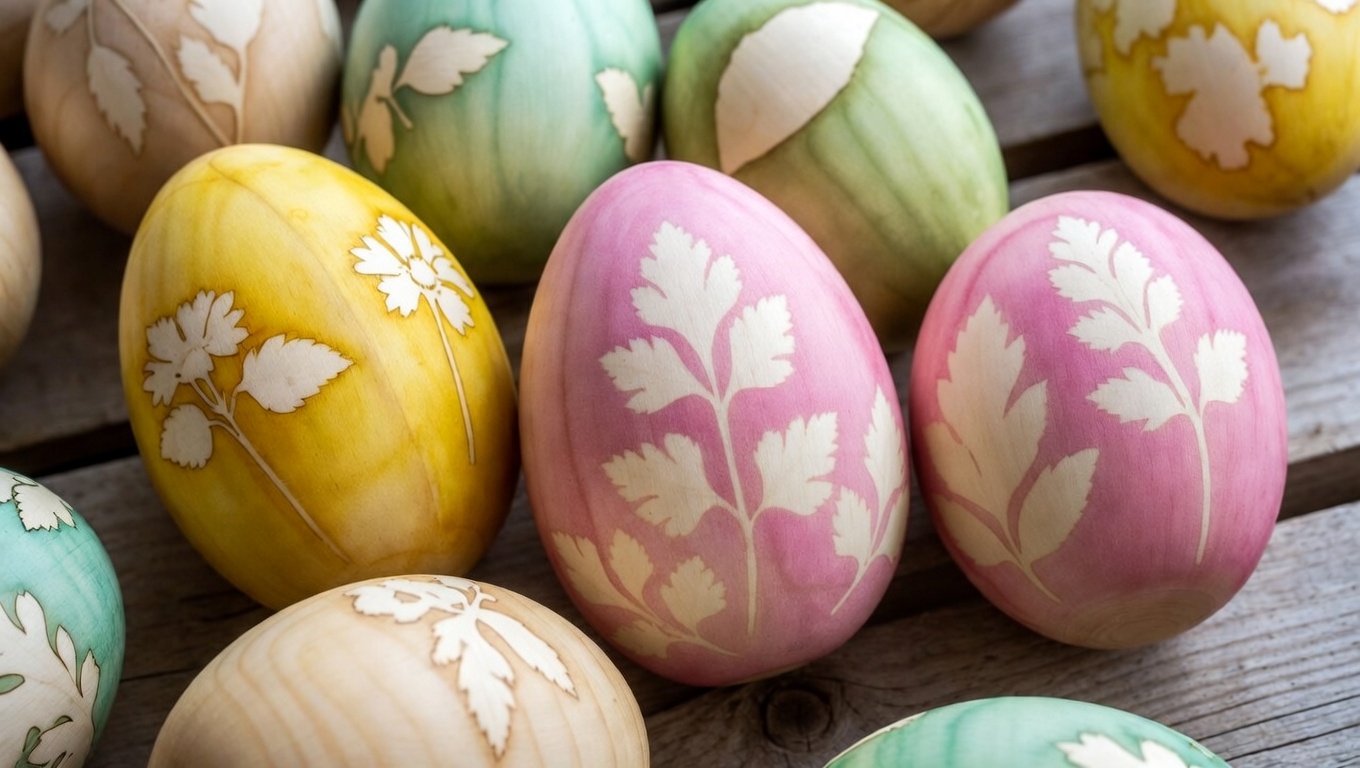
The answer is unfinished wooden eggs – and once you try them, you will not go back. Porous and lightweight, they absorb herb dyes evenly and deeply, are completely reusable year after year, and are widely available in craft shops and online. A short pre-soak in diluted vinegar water before dyeing opens the grain and dramatically improves how the colour absorbs. It is a small step that makes a visible difference.
A Few Things Worth Knowing Before You Start
Natural dyeing rewards patience more than skill. The longer the soak, the deeper the colour. Vinegar in the dye bath acts as a natural fixative – simple, vegan, and essential. Fresh herb leaves pressed flat against the egg surface and wrapped in cheesecloth before dyeing leave behind crisp white silhouettes when removed – one of the most beautiful results in the whole process, and one of the easiest to achieve.
And perhaps most importantly: embrace the imperfection. Natural herb dyes respond to the minerals in your water, the age of your plants, the grain of the wood. No two eggs will come out exactly the same – and that unpredictability is precisely what makes each one feel handmade, seasonal, and worth keeping.
Natural Easter Crafts as a Seasonal Practice
What makes herb-based Easter egg dyeing particularly resonant right now is how naturally it fits into a broader seasonal and herbal practice. The chamomile and calendula you are simmering for dye are the same plants you might be drying for tea or tinctures. The parsley pressed against your eggs is growing at the edge of the herb bed. There is a coherence to working this way – a sense of using what the season offers, fully and intentionally.
It is also an activity that translates beautifully into herbal workshops, family gatherings, and community Easter celebrations – accessible to beginners, genuinely enjoyable for experienced herbalists, and meaningful for anyone trying to live a little more closely to the natural calendar.
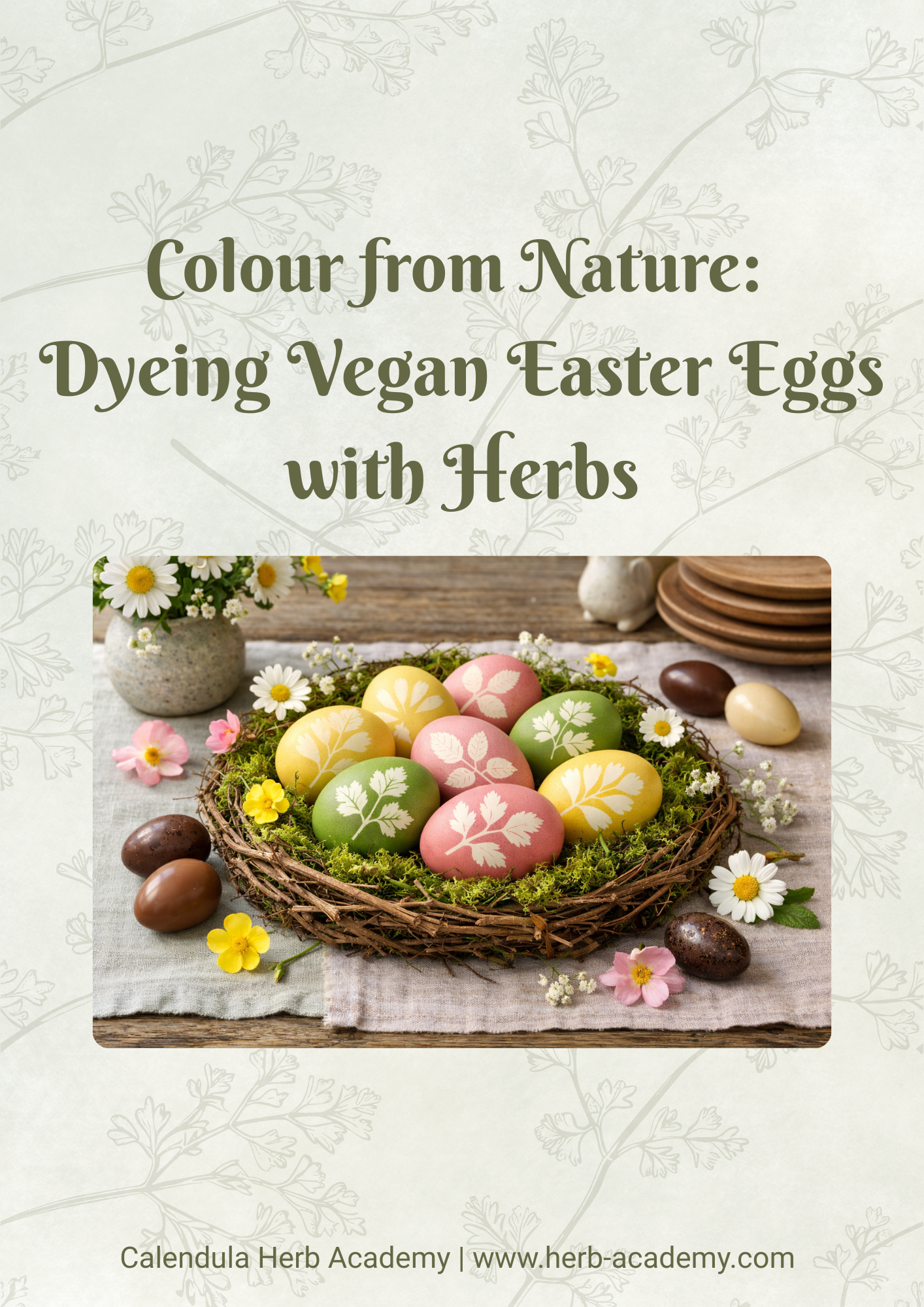
How to Dye Easter Eggs Naturally with Herbs – Free PDF Guide
Ready to try natural Easter egg dyeing at home? Our free PDF guide walks you through everything – which herbs and plants to use, how to get the best colours, and simple techniques that work for complete beginners. No experience needed, no special equipment, just natural ingredients and beautiful results.
Download Colour from Nature – Dyeing Vegan Easter Eggs with Herbs and Plants – free to save, print, and share for personal, non-commercial use.
Read our privacy policy here.
Free to save, print, and share for personal, non-commercial use. Everything you need, in one place, ready for Easter.
Happy dyeing. Happy spring.