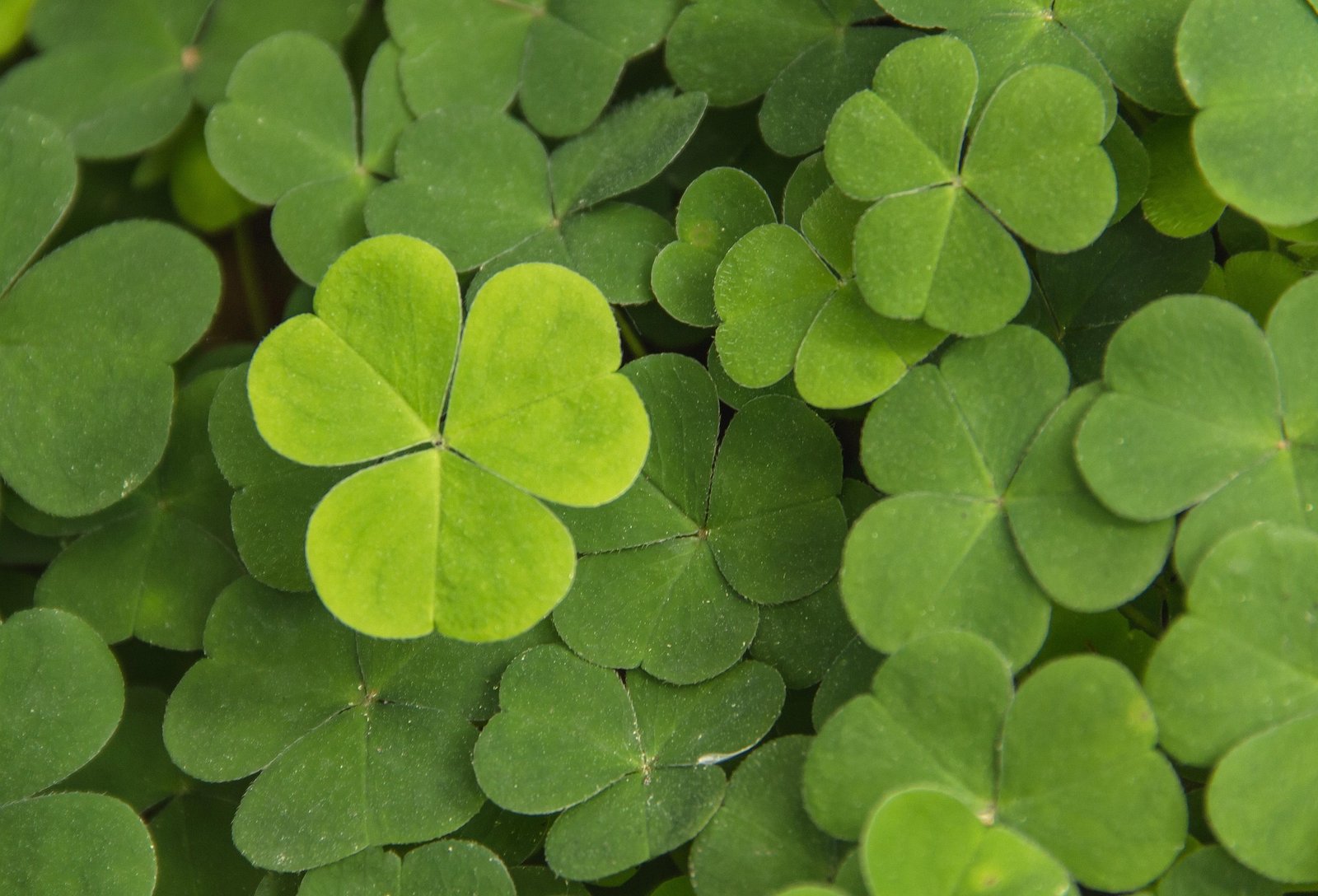
The Lucky Clover: From St. Patrick’s Day Shamrock to Herbal Treasure
Celebrating St. Patrick’s Day with the Iconic Shamrock
St. Patrick’s Day is a global celebration of Irish culture, heritage, and good fortune. Parades, green attire, and festive gatherings mark the day honoring St. Patrick, the patron saint of Ireland who is credited with bringing Christianity to the Emerald Isle in the 5th century. But one symbol stands out above all: the shamrock, that humble three-leafed clover forever linked to his legacy.
The shamrock reminds us of luck, faith, and nature’s simple wonders. As an herb enthusiast, let’s dive into why this plant—often just called clover—holds such cultural weight and explore its place in the herbal world.
St. Patrick and His Famous Connection to Clover
Legend has it that St. Patrick used a simple three-leafed plant to explain the complex Christian concept of the Holy Trinity—Father, Son, and Holy Spirit as three distinct parts of one whole. Picking a clover from the Irish countryside, he reportedly held it up to illustrate unity in diversity, making an abstract idea accessible to everyday people during his missionary work.
While historians debate if this exact moment happened (the story gained traction centuries later, around the 1700s), the tradition endures. Today, people wear shamrocks on their lapels or in hats to honor the saint and the green landscapes where clover thrives.

The Symbolism of the Trifolium (Trefoil)
The word “shamrock” derives from the Irish seamróg, meaning “young clover” or “little trefoil.” Botanically, clovers belong to the genus Trifolium—from Latin tres (three) and folium (leaf)—highlighting the classic three-leaf structure. This trifoliate form is what gives it such powerful symbolism:
- Three leaves, one plant = Unity and balance, mirroring the Trinity legend.
- In broader folklore, the three leaves have been tied to faith, hope, and love (with a rare fourth leaf adding luck).
- Ancient Celts and Druids valued trefoils for protection and connection to nature.
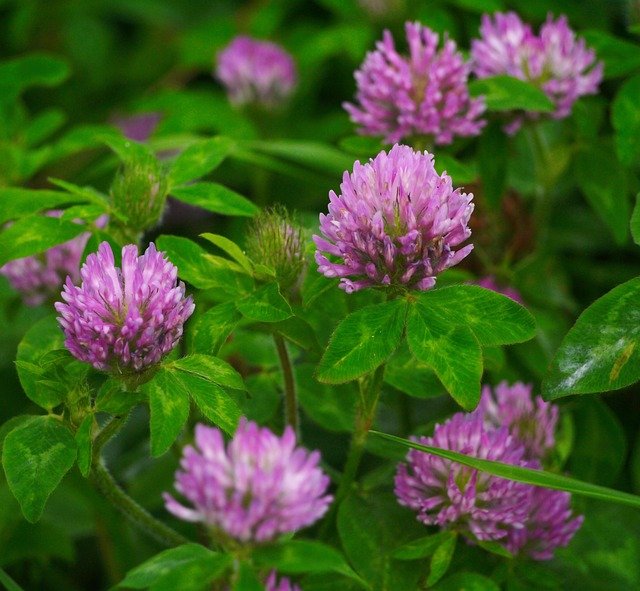
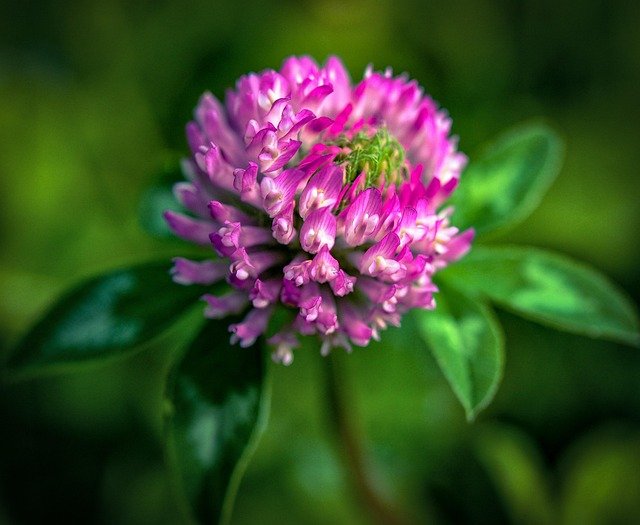
The shamrock is most commonly associated with Trifolium dubium (lesser or yellow clover, known as seamair bhuí in Irish) or Trifolium repens (white clover, seamair bhán). These are the plants traditionally picked as the “true” shamrock. Red clover (Trifolium pratense) is a close relative but less tied to the St. Patrick’s symbol.

Herbal Benefits and Uses of Clover Varieties
Beyond symbolism, clovers are valued in herbal traditions worldwide. Different types offer unique properties:
- Red Clover (Trifolium pratense): Often featured in herbal teas and infusions. Traditionally appreciated for its nutrient profile (including isoflavones, vitamins, and minerals), it’s explored in folk use for supporting general wellness, skin health, and as a gentle tonic. Many enjoy it as part of a balanced herbal routine.
- White Clover (Trifolium repens): Commonly found in lawns and meadows, it’s edible in moderation and rich in vitamins A, C, and minerals. Herbalists note its mild, soothing qualities for everyday support.
- Yellow/Lesser Clover (Trifolium dubium): The classic shamrock plant—less studied medicinally but shares the family’s nutrient benefits and is sometimes used similarly in teas.
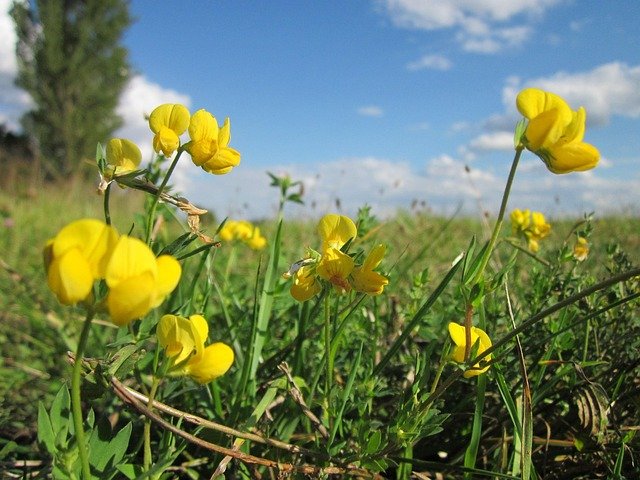
Clovers are nitrogen-fixers in soil, making them eco-friendly for gardens. Always source from clean areas, and consult a professional before incorporating into your routine—herbal use should complement a healthy lifestyle.
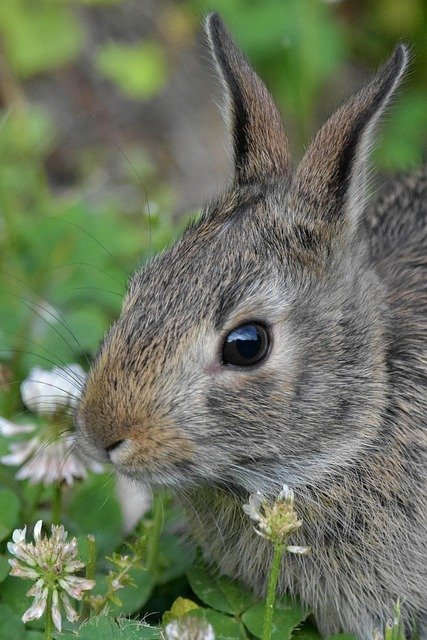
Why Do Rabbits Love Clover So Much?
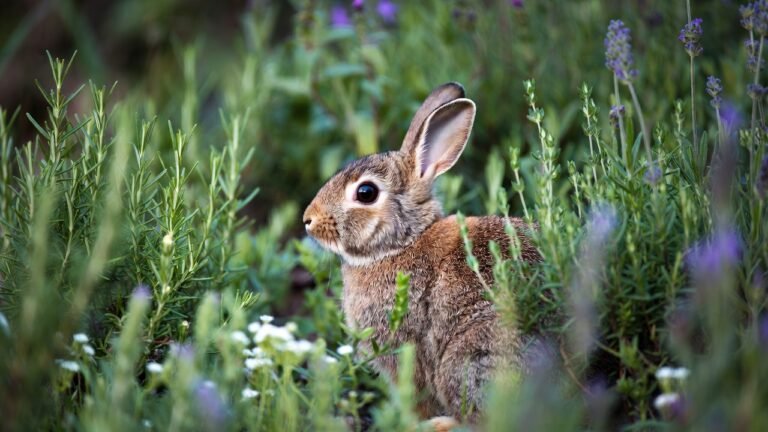
If you’ve ever watched rabbits munch happily on clover patches, you’re not alone—it’s one of their favorite natural foods! Clover is tasty, nutrient-dense (high in protein, vitamins, and minerals), and easy to digest for herbivores. Wild rabbits and pet bunnies seek it out because it’s abundant in meadows, provides hydration, and supports their grazing instincts. In fact, clover is often recommended as a safe, natural addition to rabbit diets (in moderation to avoid excess gas from its brassica-like qualities). Next time you spot a bunny in a clover field, know it’s enjoying a true delicacy!
Wrapping Up: Embrace the Clover This St. Patrick’s Day
The clover—whether as a lucky shamrock or a versatile herb—reminds us of nature’s gifts: simplicity, resilience, and connection. Whether you’re wearing one for luck, brewing a gentle clover tea, or just appreciating its role in folklore and gardens, it’s a plant worth celebrating.
Happy St. Patrick’s Day from your herb-loving corner—may the luck of the Irish (and the clover) be with you! 🍀